 +86 (028) 8535 5966
 +86 17323184180
 irvotex@votinfrared.com
 Links
Links

The Process of Zeroing and Calibrating a Thermal Hunting Scope for Precise Targeting
2026/03/11Thermal hunting scopes are essential tools for hunters who require precision and clarity in low-light or nighttime conditions. One of the most important steps in ensuring these devices function optimally is the process of zeroing and calibrating them. In this article, we will walk through the steps of zeroing a thermal hunting scope, focusing on how this process ensures your thermal scope delivers accurate targeting.
Understanding the Importance of Zeroing a Thermal Hunting Scope
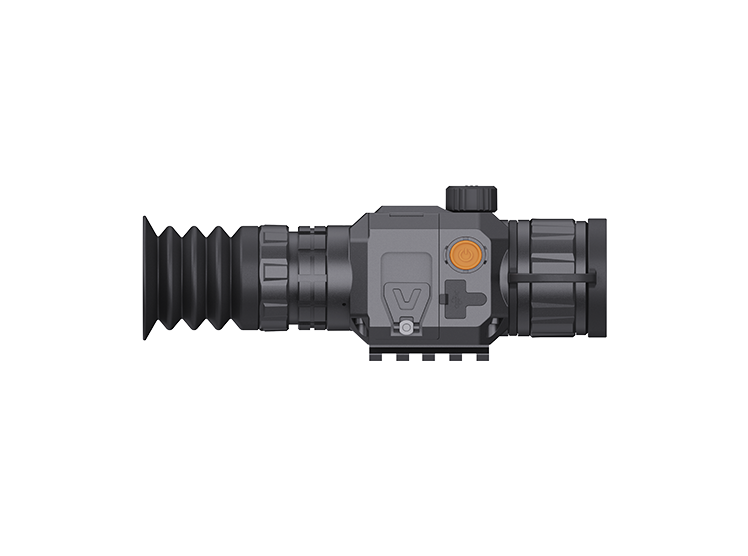
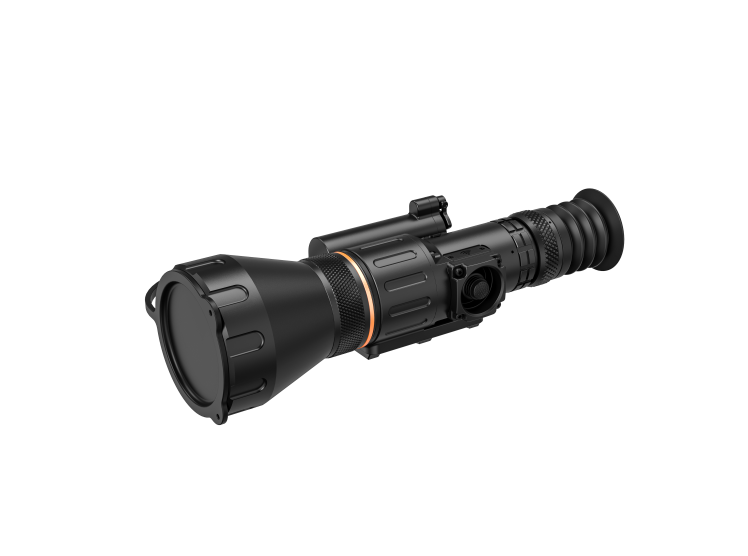
Zeroing a thermal hunting scope is crucial for achieving precise shot placement. The process involves adjusting the scope’s point of impact to match the point of aim at a specific distance. This is typically done at a known range, such as 100 yards, where the hunter will fire a series of shots to determine where the rounds land. Once the scope is adjusted, the hunter will ensure that the reticle aligns with the actual impact point, making necessary adjustments in both elevation and windage.
Proper zeroing eliminates any discrepancies between where you aim and where your shots land, significantly increasing the chances of a successful hunt. The zeroing process is not only important for thermal hunting but for all types of scopes, ensuring that your gear works reliably in critical hunting situations.
Calibrating Your Thermal Scope for Optimal Performance
In addition to zeroing, calibrating your thermal hunting scope is essential for accurate performance, especially in varying environmental conditions. Calibration typically involves adjusting the scope’s settings to account for external factors like ambient temperature, humidity, and the nature of the terrain. For thermal imaging devices, this also includes ensuring the sensor is calibrated to detect temperature differences effectively, which is crucial for distinguishing between the heat signatures of animals and the surrounding environment.
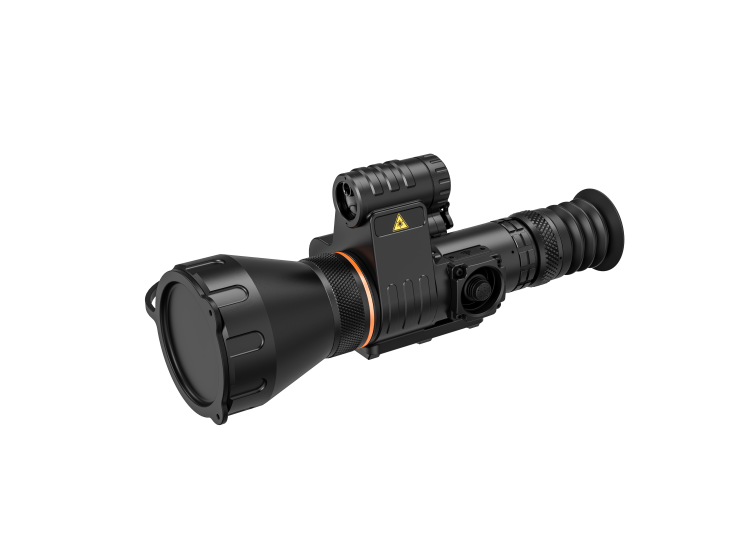
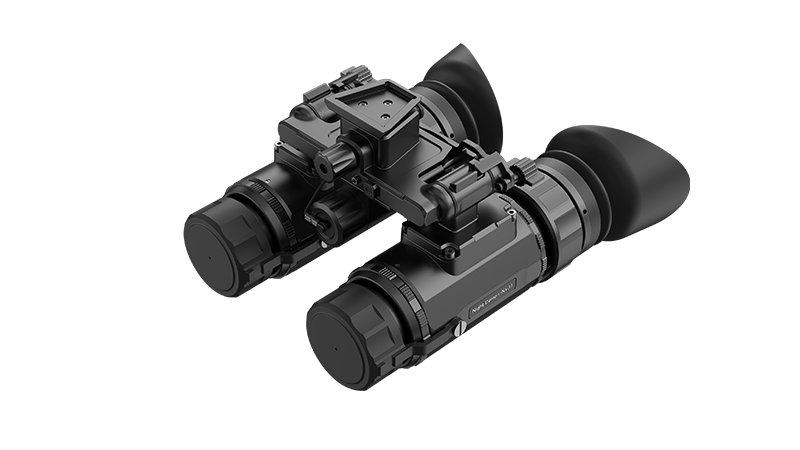
Many thermal hunting scopes like the ND-NV31 come equipped with advanced calibration features that enhance the thermal imaging experience. For instance, the ND-NV31 has an intelligent sensing function that automatically turns off the screen when the device is flipped, conserving battery life. It also includes an 850nm infrared fill light, which allows the scope to produce bright and clear images, even in dimly lit environments.
Conclusion
In conclusion, the process of zeroing and calibrating a thermal hunting scope like the IRVOTEX ND-NV31 is essential for achieving precise targeting. Zeroing ensures that the point of impact aligns with the point of aim, while calibration optimizes the scope’s performance in various environmental conditions. By following these processes, hunters can ensure that their IRVOTEX thermal hunting equipment is ready for any situation. With its lightweight design, long battery life, and advanced features, the IRVOTEX ND-NV31 is a reliable choice for hunters who demand accuracy and performance from their thermal hunting scopes.


