 +86 (028) 8535 5966
 +86 17323184180
 irvotex@votinfrared.com
 Links
Links

Thermal Camera Modules for Drones: Applications and Considerations
2026/03/10A thermal camera module is the core component that lets a drone see what the standard camera cannot. It overcomes visibility barriers like darkness, smoke, or dense foliage, and unlocks new possibilities for industrial and tactical drone operations.
Applications of Thermal Drones
Here are the primary sectors benefiting from drones integrated with thermal camera modules:
1. Search and Rescue Operations
In rescue missions, every second counts. Thermal drones can scan vast, difficult terrains much faster than ground crews. They detect the body heat of missing persons against cooler backgrounds so rescuers can locate survivors even at night or through light canopy cover. This significantly improves success rates.
2. Infrastructure and Utility Inspection
For power grids and solar farms, thermal drones act as proactive diagnostic tools. They can identify overheating components in high-voltage transmission lines or defective cells in solar panels (hotspots). This remote inspection capability ensures personnel safety and prevents costly equipment failures.
3. Building and Roof Inspection
Thermal imaging technology drones are essential for assessing building envelopes. They can rapidly detect heat leaks, poor insulation, and trapped moisture under roof membranes. This helps facility managers improve energy efficiency and address structural integrity issues before they become severe.
4. Wildlife Monitoring
Researchers and conservationists can use thermal drones to monitor animal behaviors and populations. Whether it’s counting nocturnal species or monitoring livestock health by detecting fever-induced heat spikes, drones with thermal camera modules offer a non-intrusive method.
5. Fire Prevention
Thermal drones are invaluable in fire safety. They can patrol high-risk areas to detect abnormal heat buildup and thus enable preemptive intervention.
During fire incidents, thermal cameras can penetrate smoke to reveal the fire’s core intensity and guide ground teams.
After containment, they help locate hidden hotspots or embers, supporting mop-up operations and reducing the risk of reignition.
Key Features to Consider in a Thermal Camera Module
When selecting a thermal module for drone integration, manufacturers must balance optical performance with the physical constraints of aviation.
1. NETD Value
The NETD measures detector sensitivity. A lower value (e.g., ≤40mK or ≤50mK) indicates the thermal camera can detect smaller temperature variances. This results in sharper, less noisy images, which are vital for spotting subtle faults like minor water leaks or early-stage electrical overheating.
2. Frame Rate
A high frame rate (30Hz or 50Hz) is non-negotiable for aerial platforms. Because drones are constantly in motion, a standard 9Hz camera will cause image stutter and blur.
3. Resolution
Higher resolutions, such as 640×512, provide clearer images. This allows the drone to fly at higher altitudes (covering more ground) while still maintaining enough pixel density to identify small targets on the ground.
4. Size and Weight
In aviation, every gram counts. A compact, lightweight thermal camera module keeps the drone balanced and easier to control.
5. Power Consumption
Efficient power usage is essential to minimize the drain on the drone’s central battery. It ensures the thermal payload doesn’t compromise the aircraft’s range.
6. Vibration Resistance
Rotors generate high-frequency vibration. The thermal camera modules must be engineered to withstand continuous mechanical stress.
7. Impact Resistance
Drones face risks of hard landings. A robust thermal camera module design ensures the sensor survives impacts and maintains reliability in rugged field environments.
8. Other Considerations
Features like standard digital interfaces (MIPI, LVDS) and shutterless technology for continuous imaging are also important to drone manufacturers as they enable seamless system integration.
Spiritpupil Series Uncooled Thermal Module
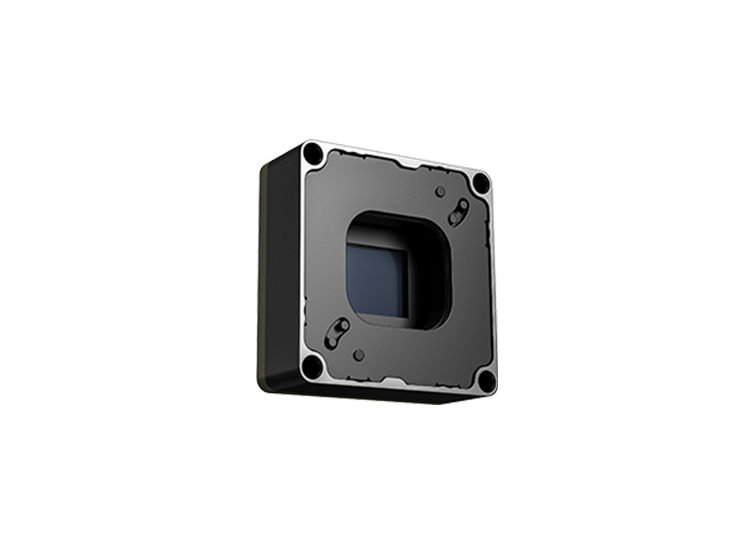
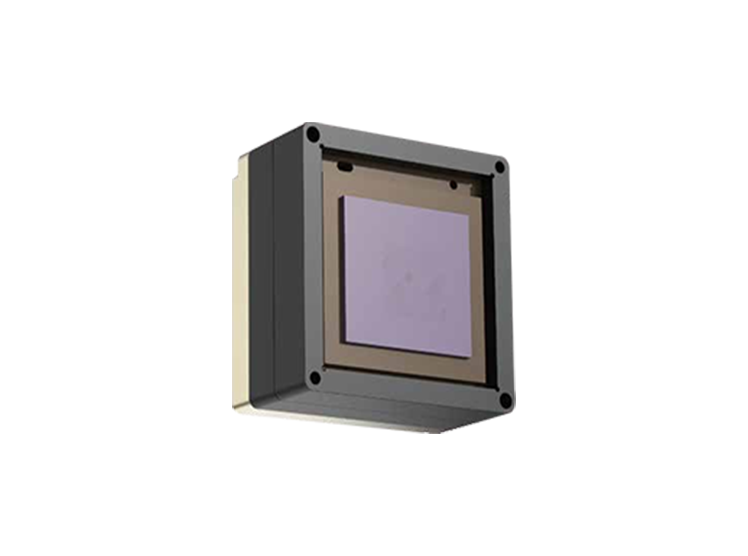
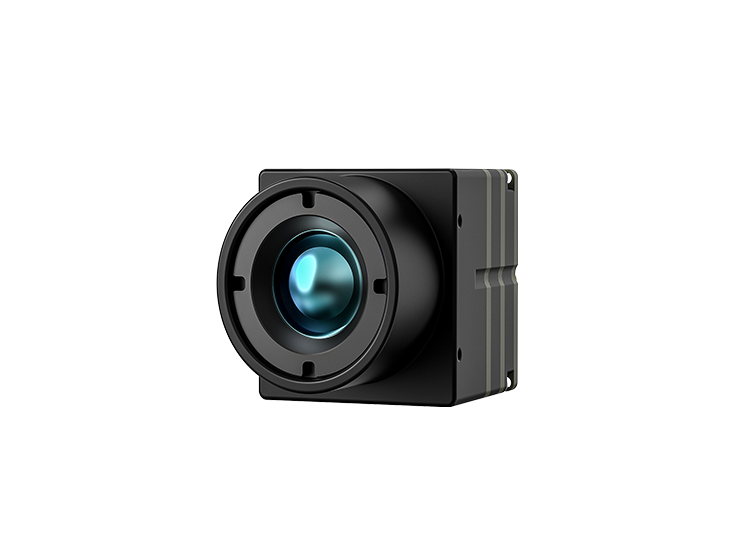
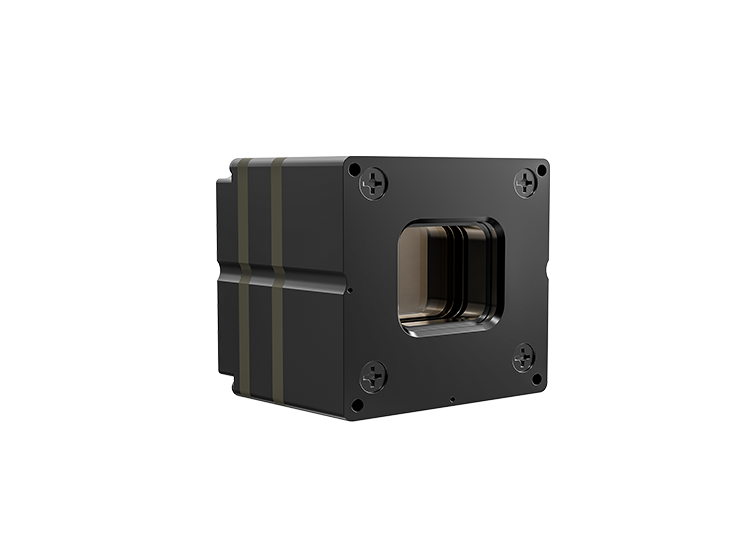
At IRVOTEX, we developed the Spiritpupil Series Uncooled Thermal Module for systems that require clear thermal output in demanding environments. The module uses in-house components (including the detector and lens) and maintains consistent thermal performance while keeping the structure compact:
● Optimized Size and Weight: Measuring just 21mm × 21mm × 9mm (lens excluded) and weighing less than 10g, the module design ensures minimal impact on drones.
● High Resolution: It delivers professional-grade imaging with detector resolutions available in 384×288 or 640×512 (12μm pixel pitch).
● Superior Sensitivity: With an NETD ≤ 50mk (@F1.0, 300K), it ensures exceptional image clarity and precise thermal differentiation.
● Fast Frame Rate: With a high frame rate of ≤ 50Hz, it offers the smooth video output required for fast-moving aerial navigation.
● Rugged Durability: Designed for the air, it boasts a shock resistance of 200g (4ms) and the resistance to random vibration for 6.06g.
● Low Power Consumption: The power consumption of this module is ≤ 0.6W. The thermal payload does not significantly reduce the drone’s operational uptime.
Final Thoughts
At IRVOTEX, we make thermal modules that work exactly how you need them. The Spiritpupil Series Uncooled Thermal Camera Module offers an optimized solution that empowers drones to see the unseen, enhancing safety and efficiency across the globe.


