 +86 (028) 8535 5966
 +86 17323184180
 irvotex@votinfrared.com
 Links
Links

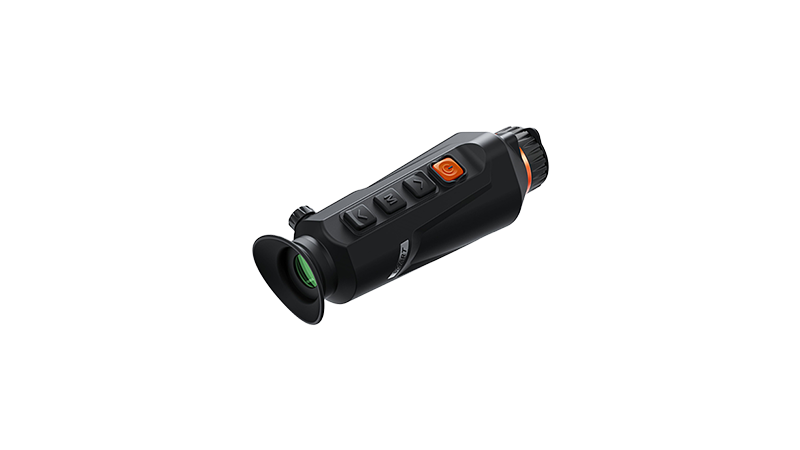
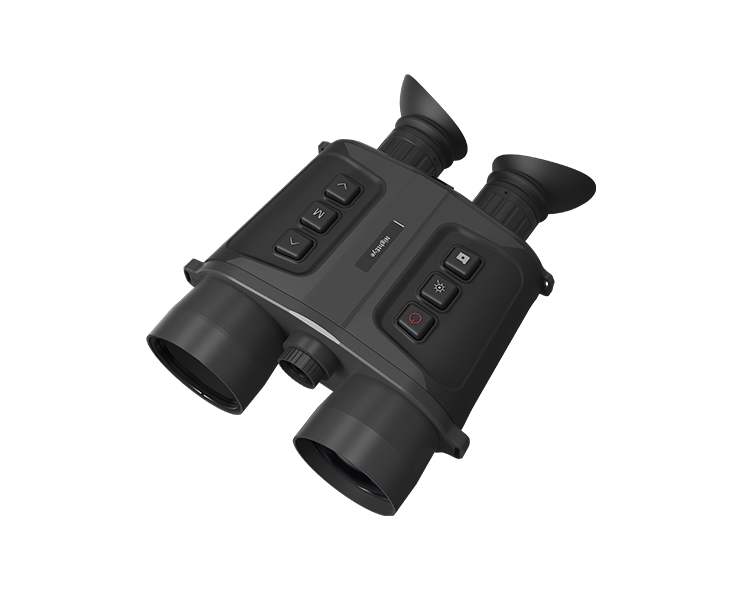
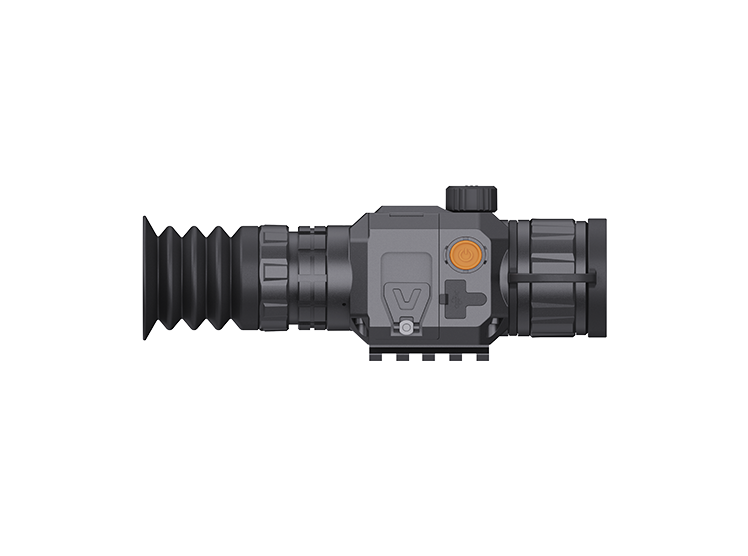
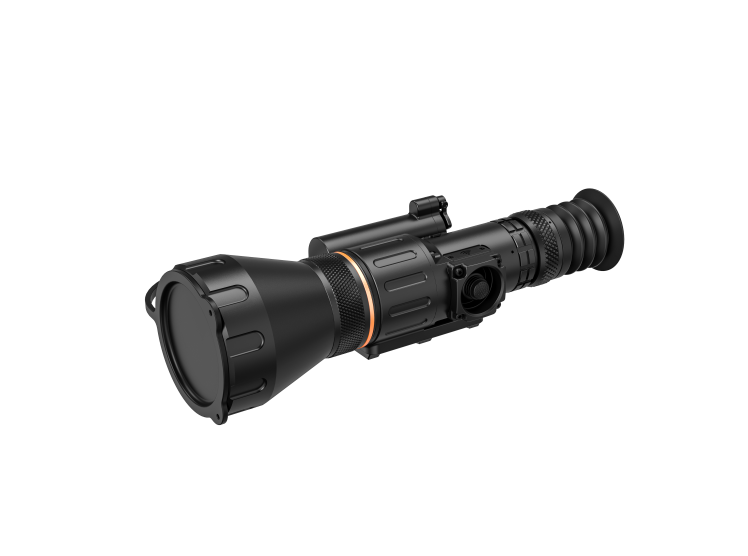
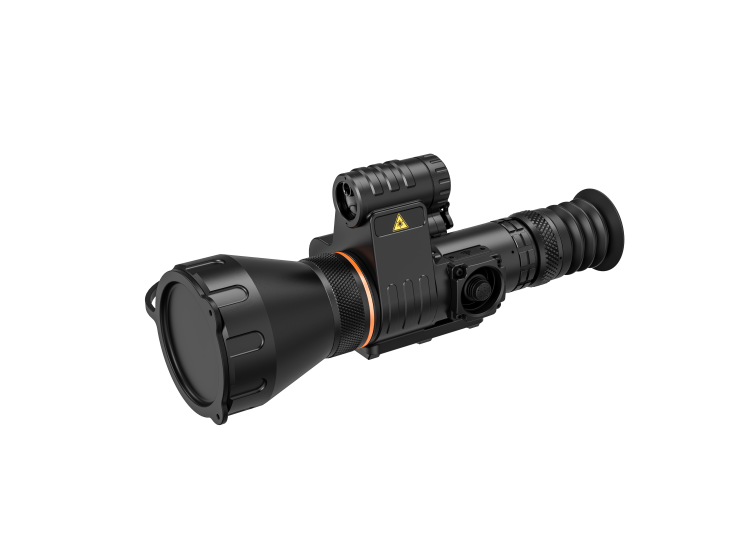
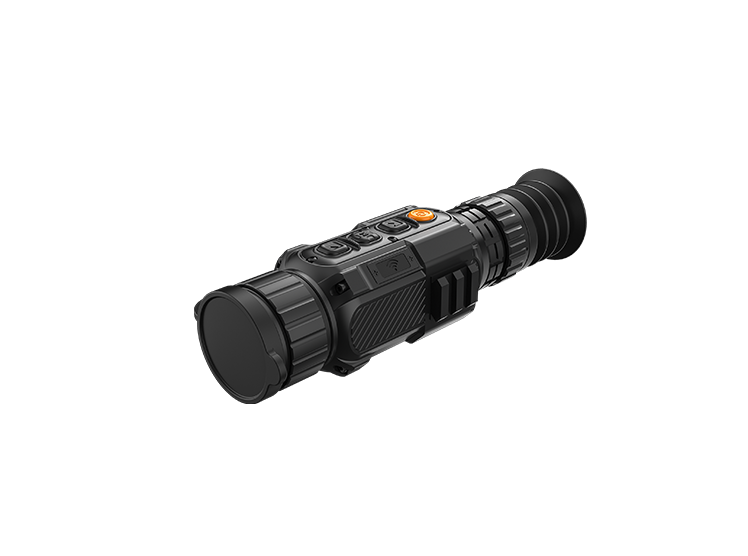
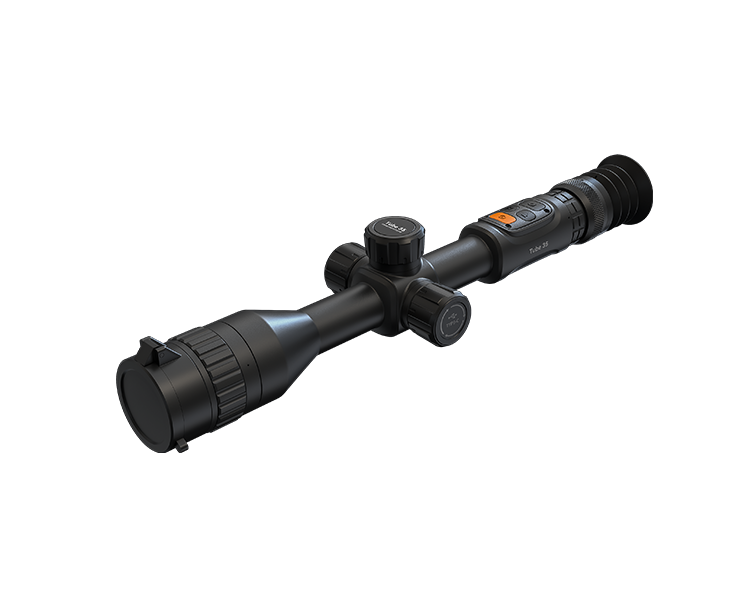
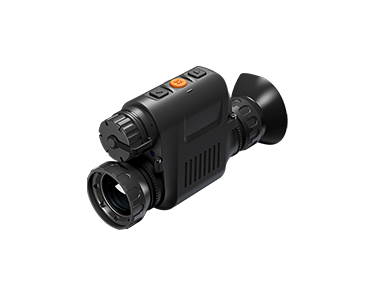
What Determines Image Clarity in Thermal Monoculars
2026/03/06As we explore what influences image clarity in thermal monoculars, we focus on how our technologies at IRVOTEX support applications such as thermal hunting and the use of a thermal monocular for hunting. Image clarity is shaped by several technical factors, including detector performance, lens design, signal processing, and system integration. Understanding these elements helps users make informed decisions when selecting thermal devices for different field environments. In our work, we continually optimize these fundamentals to ensure stable and reliable visual performance for professional users.
Detector Sensitivity and Resolution as Core Contributors
One of the most important determinants of image clarity is detector sensitivity, which plays a central role in tasks such as thermal hunting. High-sensitivity detectors capture subtle temperature differences, enabling clearer outlines and improved target recognition. Resolution also directly affects how detailed a scene appears when using a thermal monocular for hunting. In our development process, we prioritize reliable infrared detectors that deliver consistent output even when exposed to vibration, shock, or environmental changes. This combination supports clarity across a range of application scenarios without relying on exaggerated specifications. Our detector technology contributes greatly to overall performance when clients deploy systems that incorporate IRVOTEX solutions.
Optical Components and Software Compensation
Lens quality is another fundamental factor that determines thermal image sharpness. A well-designed lens ensures that infrared radiation is accurately transmitted to the detector, which is essential in scenarios involving thermal hunting across large fields or complex terrains. When users operate a thermal monocular for hunting, stable lens performance helps maintain consistent visibility. Our optical engineering emphasizes durability and precision to ensure long-term reliability. In addition, our systems apply software-based compensation to reduce energy drift and smooth the visual output. This allows IRVOTEX to deliver thermal imaging modules that maintain clarity without relying on oversimplified or overly promotional claims.
System Integration and the Spiritpupil Series
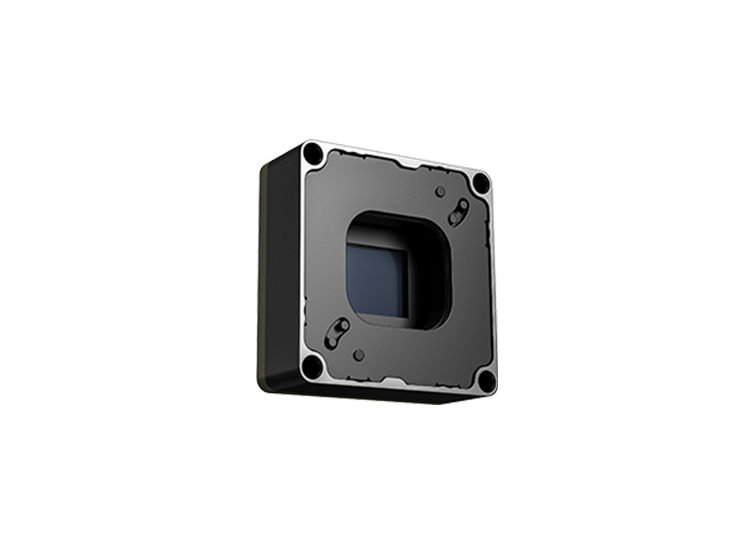
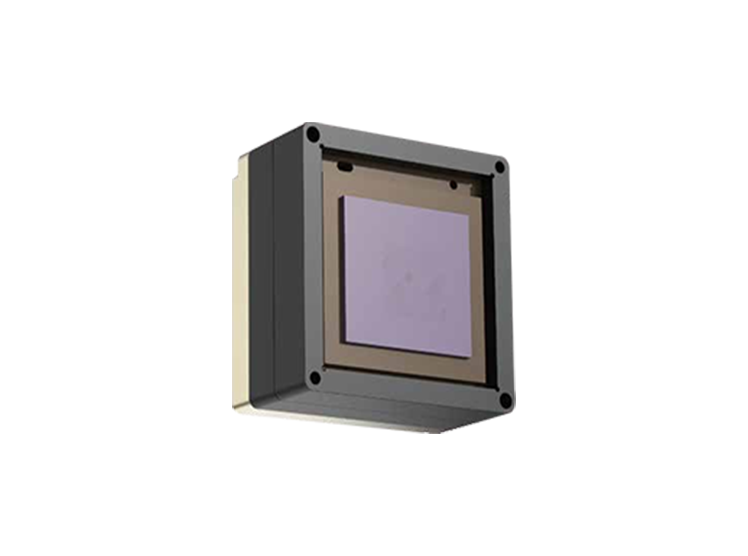
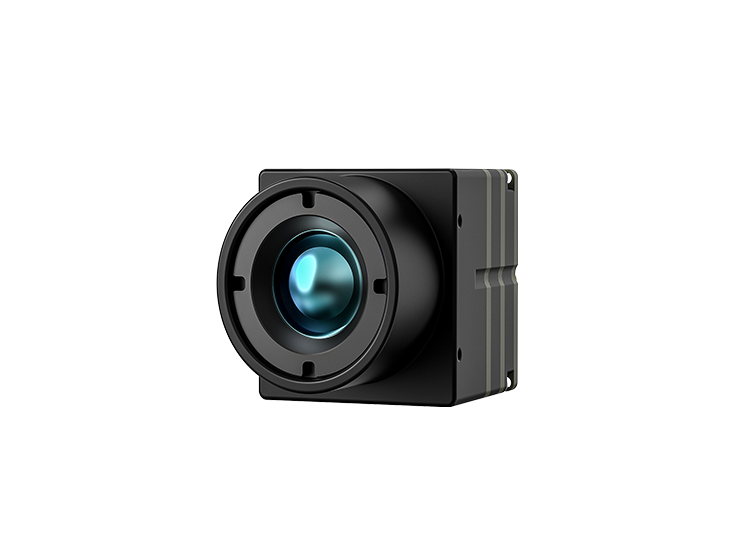
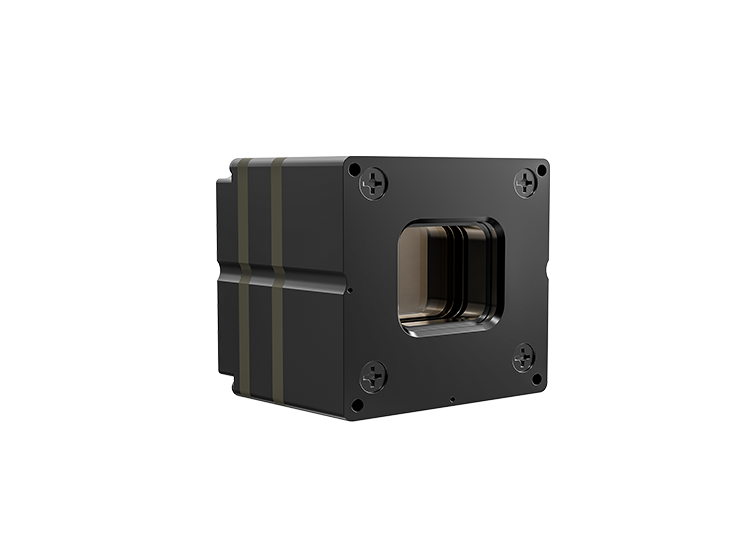
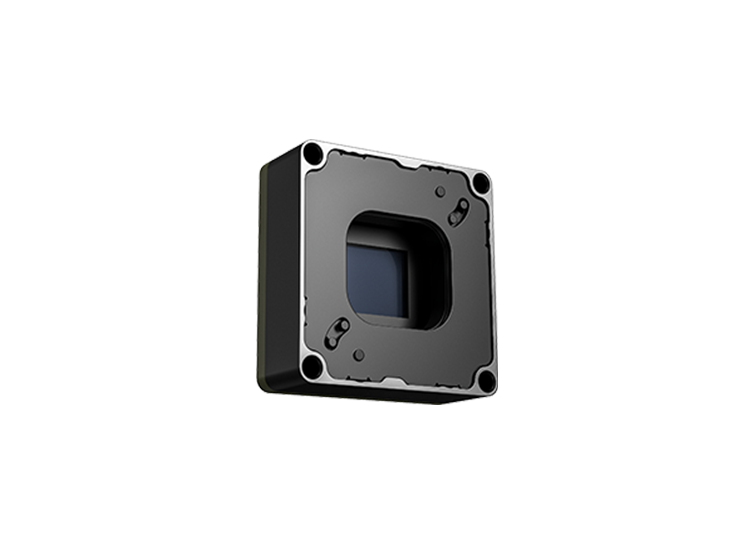
Effective thermal clarity also depends on how hardware and software function as a unified system. For users working with thermal hunting equipment, integrated processing ensures that images remain smooth, even during rapid movements or changing ambient conditions. When deploying a thermal monocular for hunting, stable interface compatibility and modular flexibility also enhance practical usability. Our IRVOTEX Spiritpupil Series Uncooled Thermal Module reflects these principles through its compact structure, interchangeable infrared lenses, and configurable design. It is engineered for integration into thermal imaging systems used in automotive night vision, security surveillance, outdoor observation, fire rescue, and law enforcement—providing dependable clarity across diverse fields.
Conclusion
Image clarity in thermal monoculars is determined by detector performance, optical quality, software optimization, and thoughtful system integration. In applications such as thermal hunting or when using a thermal monocular for hunting, these factors directly influence the user’s ability to observe and interpret their environment. Through our continued work at IRVOTEX, supported by platforms like the Spiritpupil Series, we aim to provide practical and reliable imaging solutions that meet the expectations of professional users across multiple industries.


