 +86 (028) 8535 5966
 +86 17323184180
 irvotex@votinfrared.com
 Links
Links

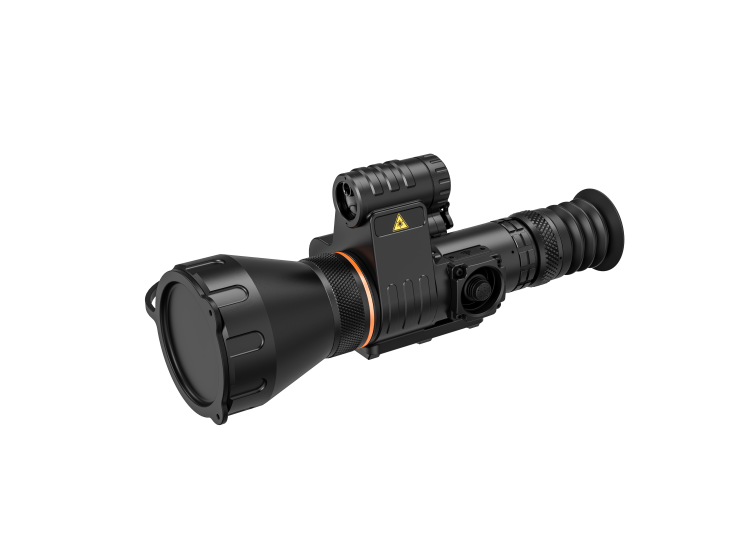
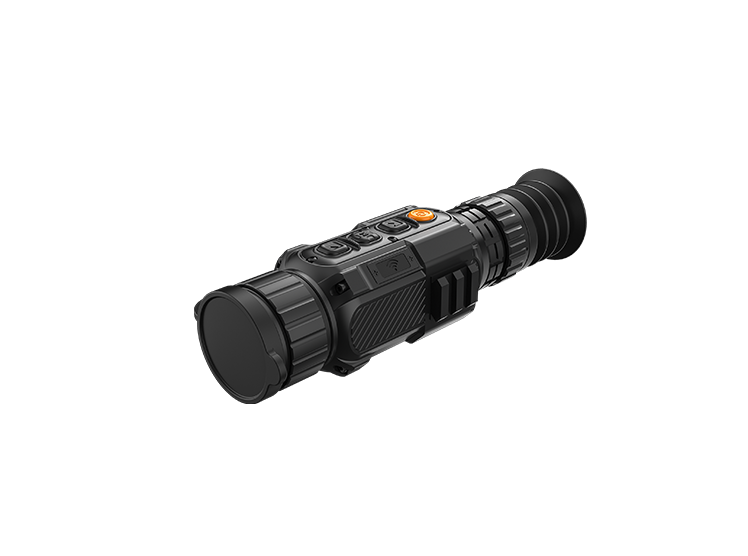
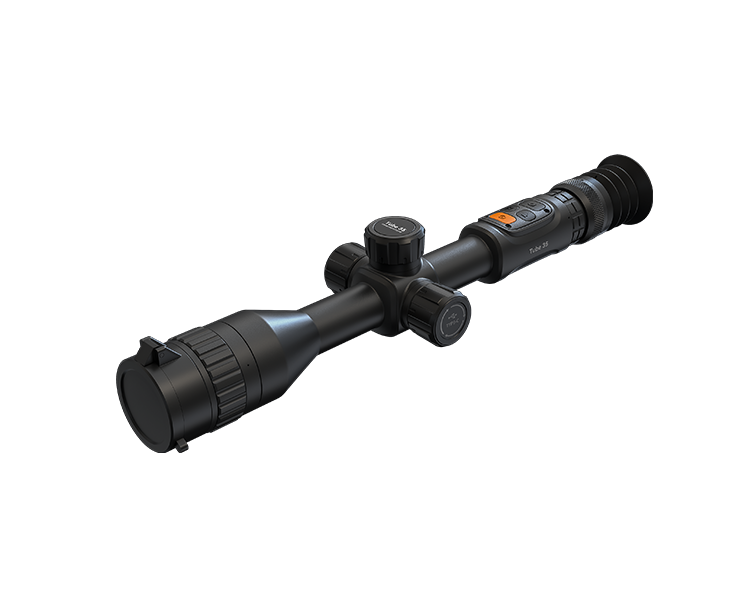
Why thermal scopes for zero-light targeting are essential for reliable nighttime accuracy
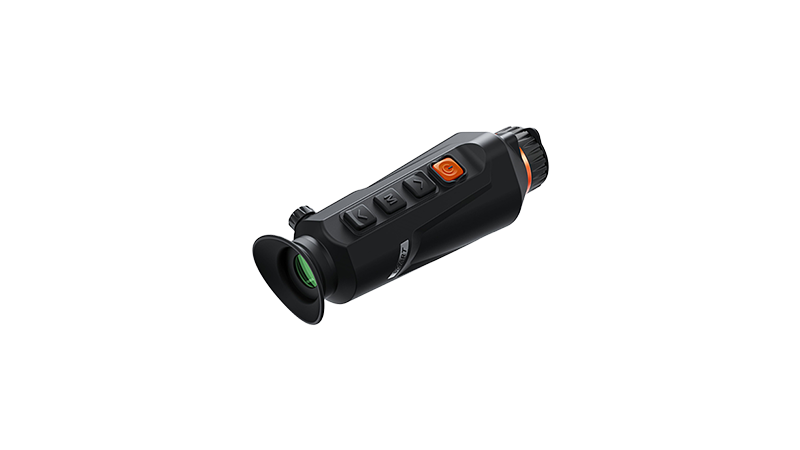
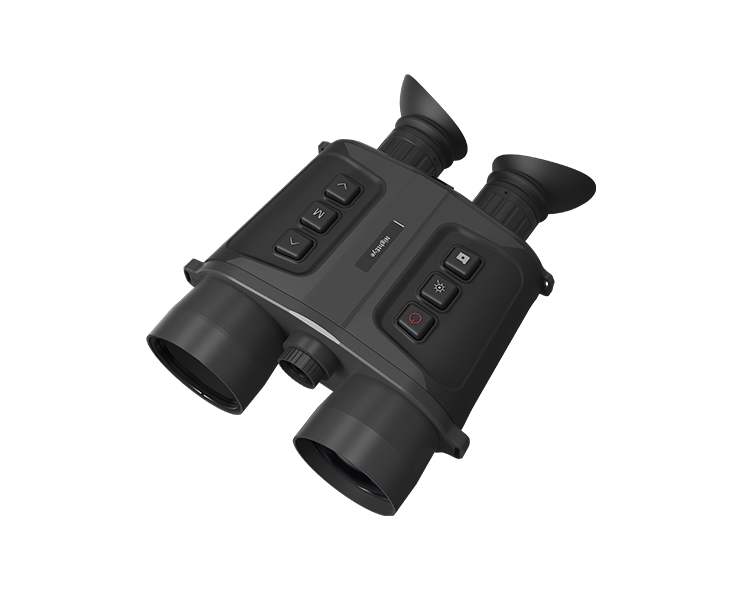
2026/03/04When we discuss zero-light targeting, our focus is on how visibility can be maintained even when traditional optical systems fail. As a company specializing in thermal solutions, we rely on IRVOTEX expertise to develop systems that support consistent detection in environments where visible light is absent. In such conditions, a thermal hunting scope becomes essential because it captures temperature differences instead of relying on illumination. This allows us to observe and interpret heat signatures that remain stable even when fog, dense vegetation, or full darkness obscure visual details. By using a thermal imaging scope, we ensure that heat contrast, rather than reflected light, drives target identification, enabling steady situational awareness in unpredictable outdoor settings. These principles form the foundation of how we design thermal equipment for night-time field use.

Why thermal scopes provide dependable zero-light targeting
When working in outdoor conditions that fluctuate from darkness to shadowed terrain, we depend on tools that support continuity rather than momentary clarity. A thermal hunting scope allows us to maintain this continuity because heat signatures remain detectable despite environmental instability. For our team, this means interpreting thermal patterns in a way that reduces uncertainty and supports responsible decision-making. With a thermal imaging scope, we can distinguish living targets from non-living structures through subtle temperature variations, which is particularly important in environments where light-based devices would provide incomplete information. By combining stable heat detection with consistent thermal contrast, we can operate safely and effectively even when visual references are fully absent, ensuring that zero-light targeting remains practical and controlled.
Applying zero-light targeting in real conditions with subsystem advantages
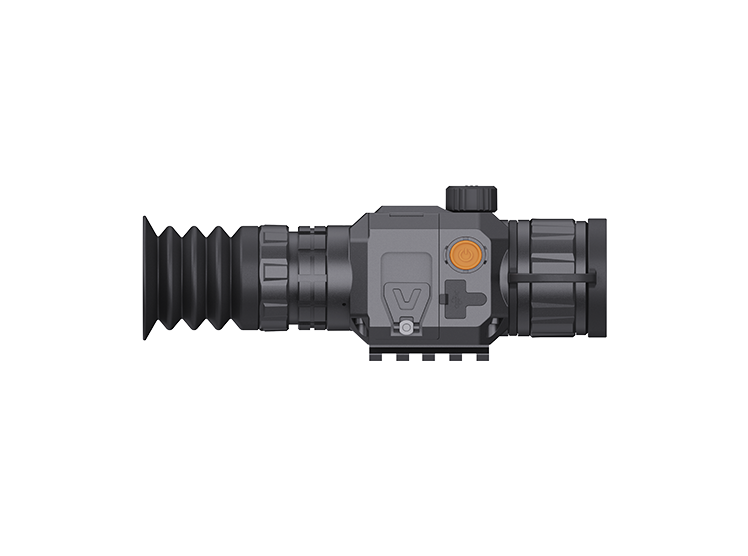
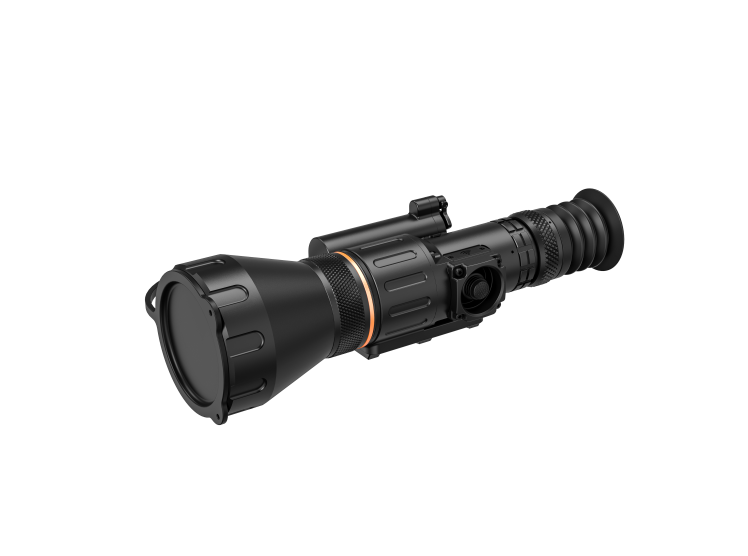
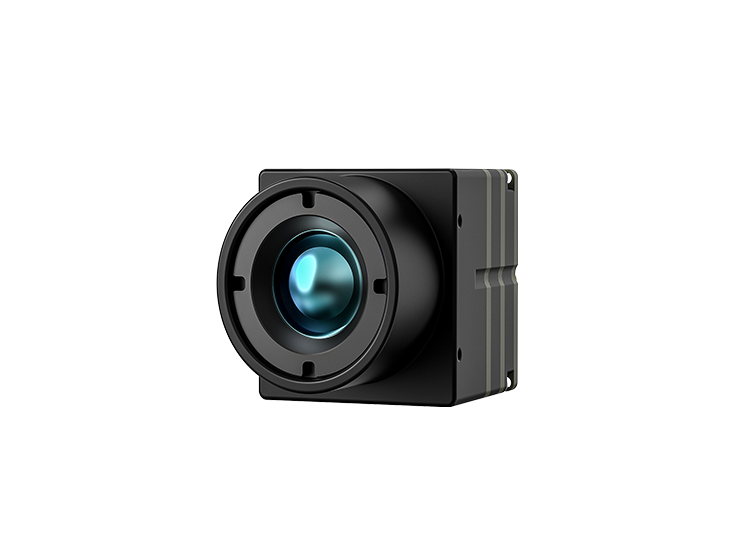
From our field experience, zero-light targeting requires more than just heat visibility; it depends on how thermal data is processed and translated into clear visual output. This is where our Demon Series Thermal Scope plays a practical role. Designed using thermal induction technology and supported by intelligent algorithms, the Demon Series enables hot-spot interpretation that remains reliable throughout dynamic outdoor scenarios. Its thermal imaging scope system incorporates hot spot tracking that helps us follow targets continuously, allowing the scope to maintain clarity even when terrain or movement complicates observation. When we use a thermal hunting scope with these capabilities, the result is a stable and structured targeting process that improves situational control without depending on ambient light. The Demon Series demonstrates how consistent heat-based tracking enhances our ability to navigate and focus responsibly in zero-light conditions.
Conclusion: Why we rely on thermal scopes for zero-light precision
In zero-light environments, precision depends on the reliability of heat-based detection rather than visibility. We choose thermal scopes because they allow us to operate with confidence when external lighting is unavailable or insufficient. By integrating the advantages of an IRVOTEX thermal system with the structural capabilities of a thermal imaging scope, we can interpret targets accurately across varied landscapes. A thermal hunting scope gives us the stability needed to navigate darkness, while the Demon Series adds practical hot-spot tracking for real-time observation. Together, these elements support a responsible and consistent targeting experience where clarity depends on thermal contrast, making thermal scopes a necessary part of zero-light operations.


