 +86 (028) 8535 5966
 +86 17323184180
 irvotex@votinfrared.com
 Links
Links

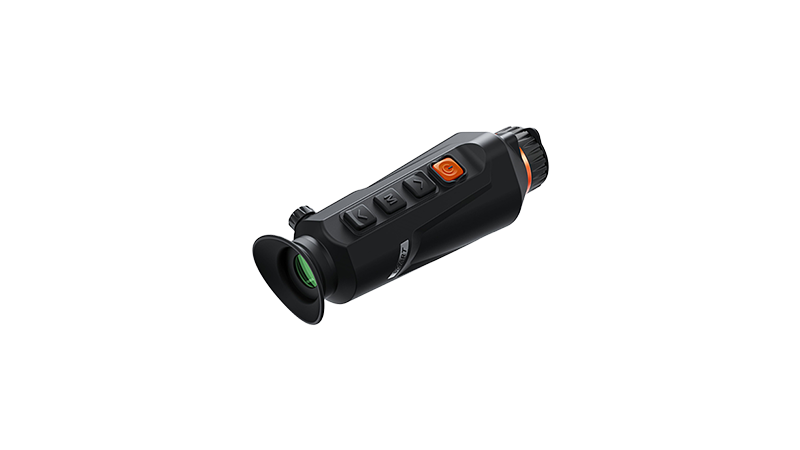
What the Power Consumption of the IRVOTEX Thermal Monocular for Helmet Means During Standby Mode
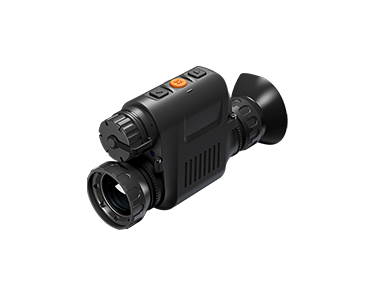
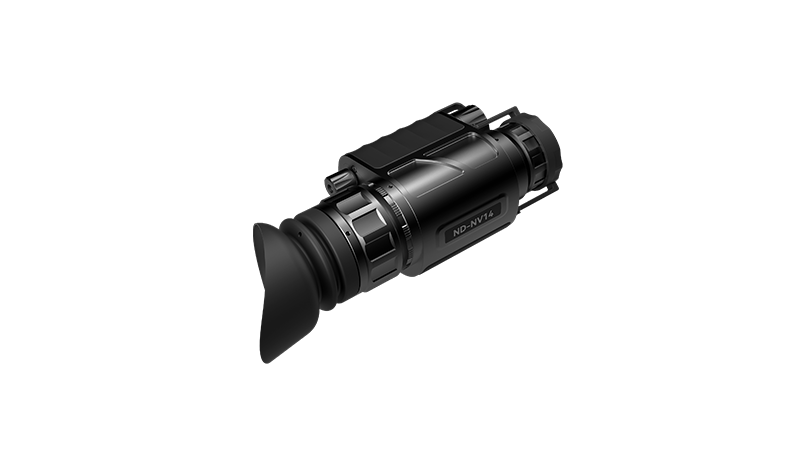
2026/03/03The IRVOTEX ND-IR Series is designed for users who require professional thermal imaging performance with efficient power management. When discussing the standby requirements of a helmet mounted thermal device, we focus on how our system conserves energy while remaining ready for activation. In our experience, the standby mode of the ND-IR Series operates at a very low power level because it maintains only the essential background functions needed for rapid wake-up. By keeping the device in a minimal-load state, we ensure that users can keep the unit on standby without significantly affecting total runtime, which is especially important in field operations.
Power-Saving Behavior in Standby Mode
The ND-IR Series integrates a power-optimized architecture to manage energy use effectively. When used as a thermal monocular for helmet, the device enters standby by reducing sensor activity and limiting processing tasks while preserving system readiness. Our engineering team designed the standby mode to draw significantly less energy than active imaging, giving users flexibility during long shifts or extended outdoor deployments. Although standby does not process thermal data, the internal system continues monitoring essential components to allow near-instant activation. This design ensures the device remains dependable without generating unnecessary consumption or heat.
How Standby Efficiency Supports Real-World Applications
For users working in tactical missions, search operations, or wildlife monitoring, standby efficiency is directly connected to operational safety. Our company developed the ND-IR Series so that its low-power standby mode supports long-duration helmet use, enabling smooth transitions between passive observation and active imaging. When used as a helmet mounted thermal solution, the device minimizes energy waste during inactive periods yet maintains the responsiveness required for rapid target identification. This behavior is especially valuable in scenarios where users repeatedly shift between motion, pause, and re-engagement. By adopting an energy-conserving standby mechanism, the ND-IR Series offers a practical balance between battery preservation and immediate usability.
Technology Characteristics That Influence Standby Consumption
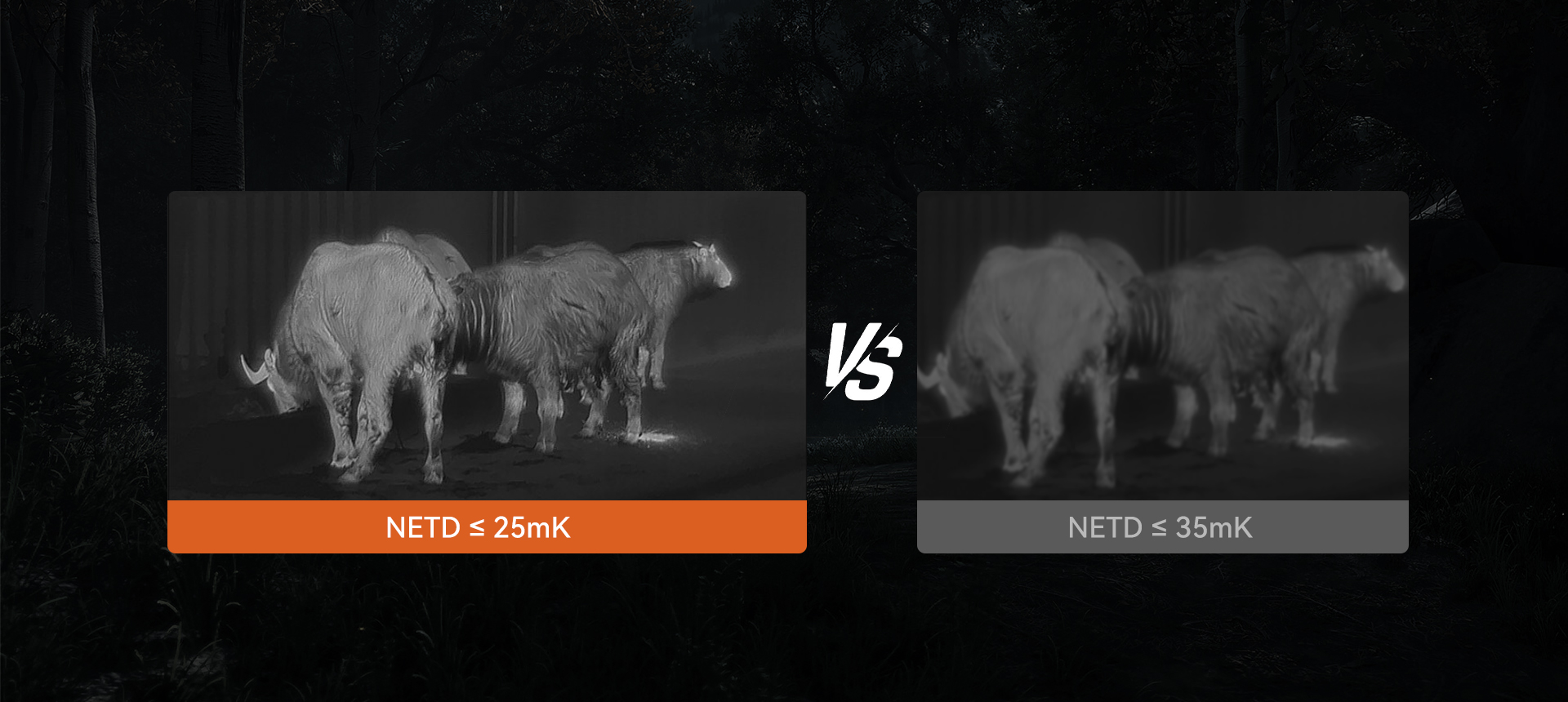
The ND-IR Series features a high-sensitivity sensor with NETD ≤ 25 mK, which contributes to detailed thermal imaging during operation but does not burden the system excessively when in standby. As a thermal monocular for helmet, its architecture separates active imaging power from low-level system maintenance. Standby mode keeps only the necessary circuits running, meaning the thermal sensor, display, and imaging processor remain inactive until the user reactivates the device. Our company prioritizes efficient electronic layout, heat control, and firmware management to ensure that standby mode maintains a minimal draw across the entire ND-IR platform.
Conclusion
The standby mode of the IRVOTEX ND-IR Series operates with low power consumption by suspending imaging functions while keeping the device ready for immediate use. This approach supports professionals who rely on a helmet mounted thermal device that remains dependable during long missions. As a thermal monocular for helmet, the ND-IR Series combines efficient energy control with high-sensitivity performance, providing a practical and reliable tool for varied field environments.


