 +86 (028) 8535 5966
 +86 17323184180
 irvotex@votinfrared.com
 Links
Links

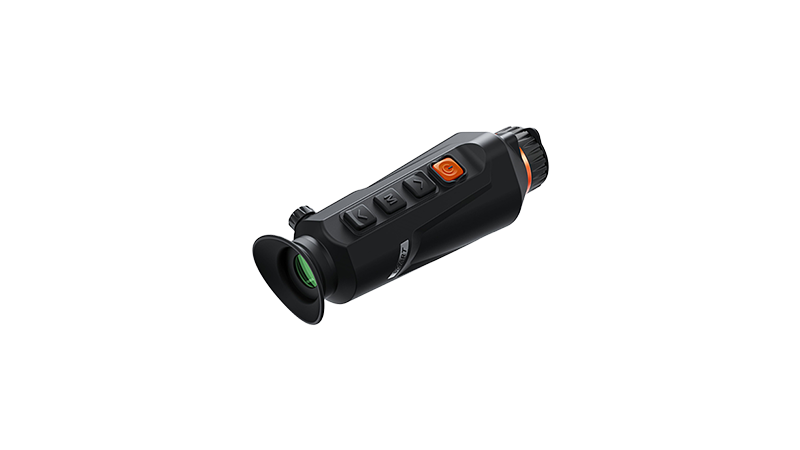
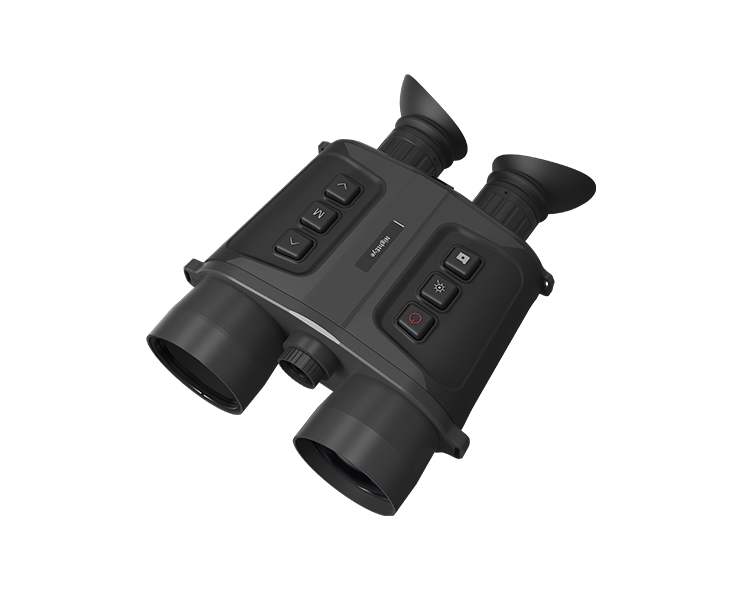
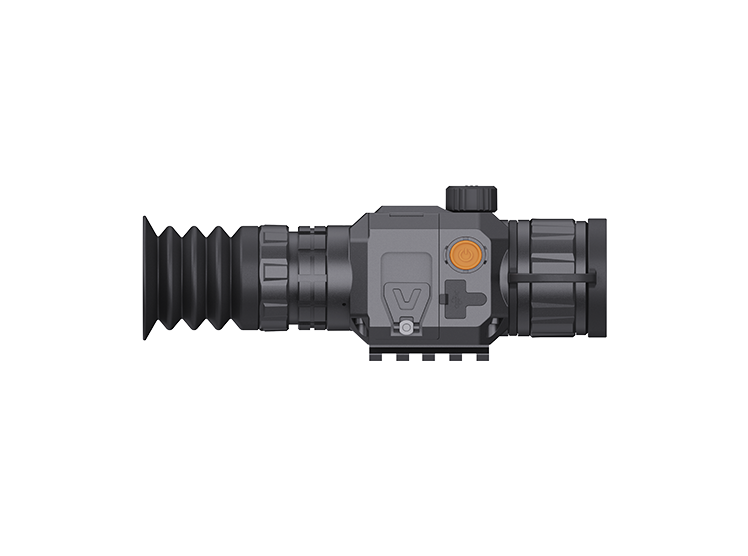
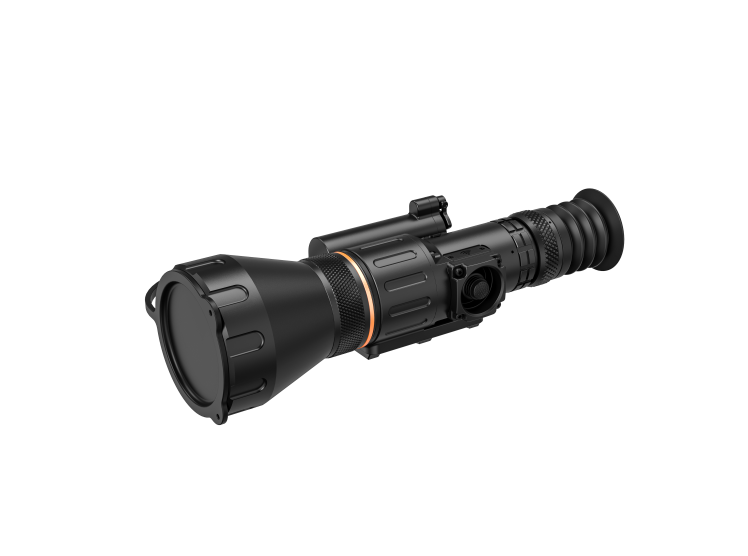
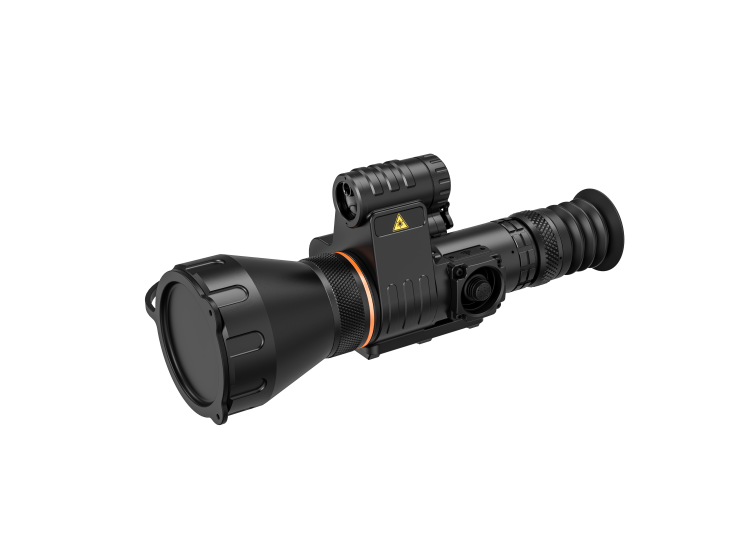
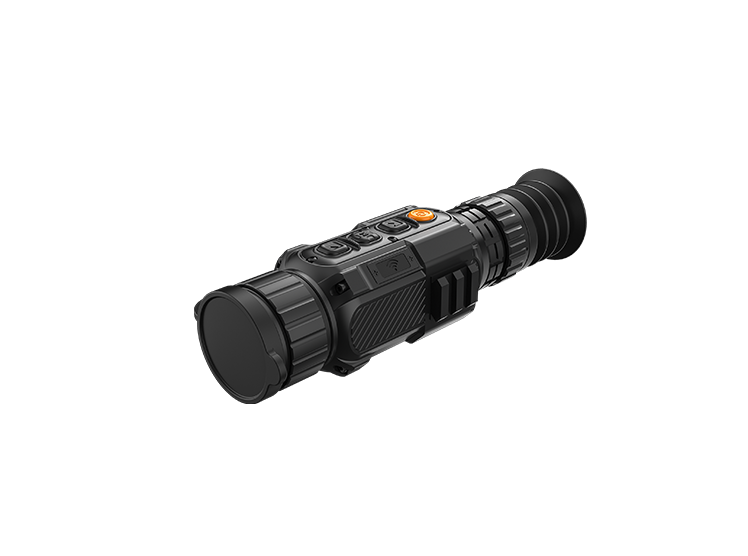
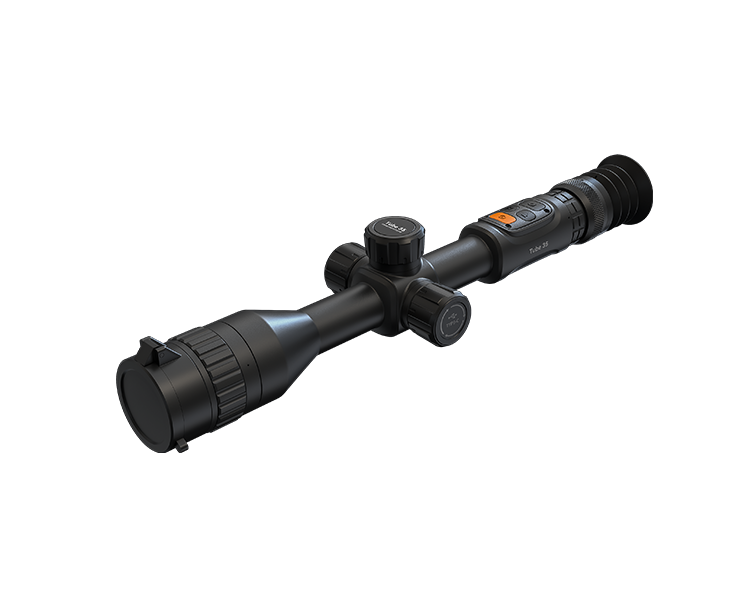
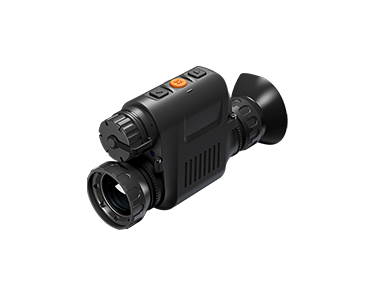
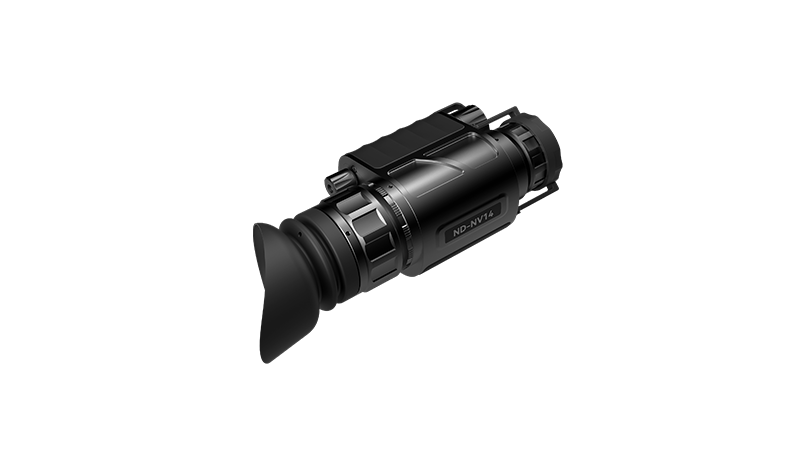
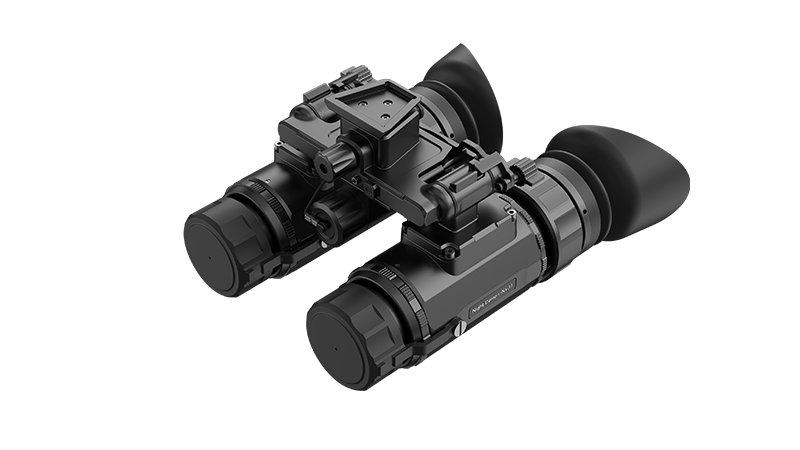
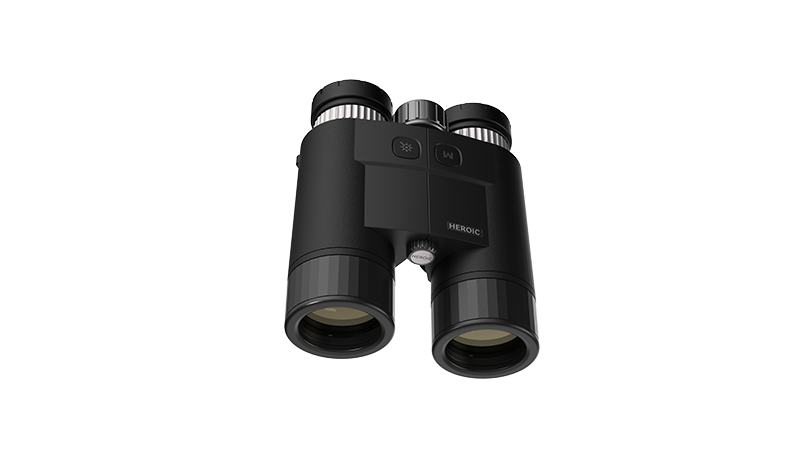
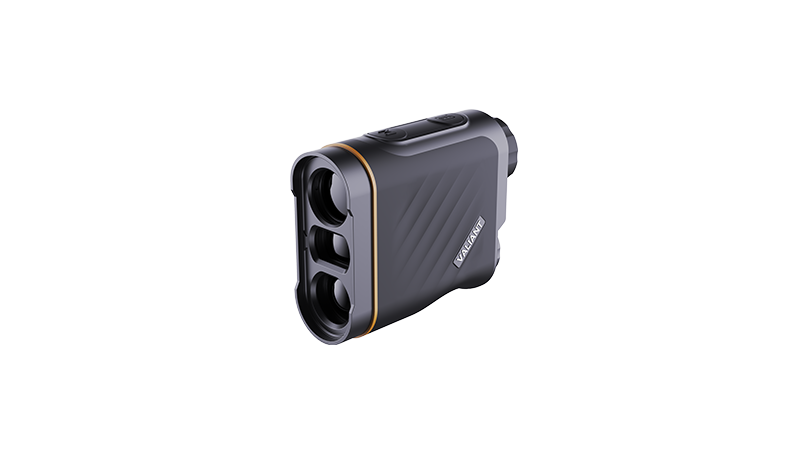
What is the Effective Range of a Night Vision Scope
2026/03/03Understanding the effective range of a night vision scope is essential for professionals who rely on accurate low-light observations. In our work at IRVOTEX, we often address questions from partners who need stable long-distance visibility for outdoor monitoring and field operations. When evaluating the performance of a night vision system, we consistently compare it with technologies such as a thermal hunting scope or a thermal imaging scope, since these options behave differently in challenging environments. Effective range depends on several factors, including ambient light, sensor sensitivity, optical design, and the presence of environmental interference. As we explain to our clients, the effective range is not a fixed number but a performance range shaped by real-world conditions.
Key Factors That Influence Detection and Identification
For many of our commercial users, the most relevant consideration is how far a device can detect, recognize, and identify a target. Unlike a thermal hunting scope, which relies on heat signatures, a night vision scope amplifies existing light. This means cloud cover, moonlight, and background illumination all influence the viewing distance. In our daily operations, we guide clients to evaluate not only the theoretical maximum range but also the working range they can expect under typical conditions. Compared with a thermal imaging scope, night vision devices usually require more stable ambient lighting to maintain clarity. Optical coating quality, sensor resolution, and lens diameter all contribute to how effectively the system can distinguish details at extended distances. When we assess solutions for our partners, we focus on how these technical elements align with their specific field requirements.
Practical Application Scenarios and Performance Expectations
From perimeter observation to outdoor navigation, we often need to explain how the effective range of different optics translates to real situational reliability. While our thermal hunting scopes can detect targets through foliage or fog, our night vision scopes perform best in open areas with consistent ambient light. We always emphasize that the practical effective range depends on the level of detail the user requires: detection distances may be long, but positive identification must be done at much closer range.
When comparing these tools to a thermal imaging scope, we find that night vision systems deliver more natural visual contrast—provided the light conditions support it. To help our customers make informed, realistic decisions, we focus on use-case-based guidance rather than fixed numerical claims, ensuring that your expectations stay aligned with the actual operating conditions our products are designed for.
Conclusion: Understanding Range Helps Select the Right Tool
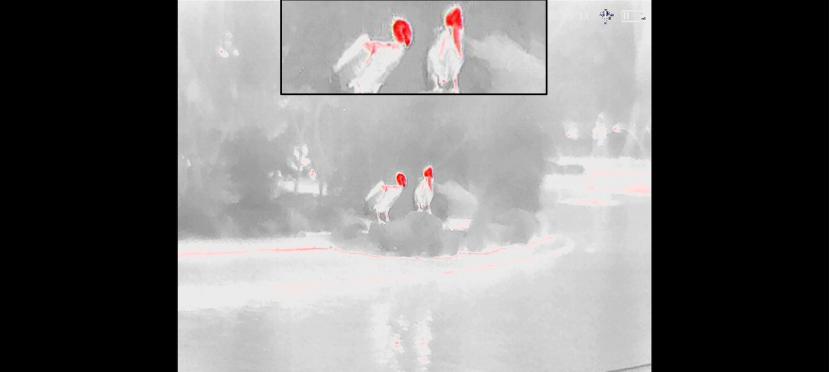
In our experience at IRVOTEX, understanding the effective range of a night vision scope is ultimately about matching the technology to the environment and the task. Just as a thermal hunting scope or a thermal imaging scope offers specific advantages in low-visibility scenarios, night vision scopes provide reliable performance when light levels allow. For users who need enhanced detail without losing awareness of the wider scene, our Demon Series Thermal Scope integrates picture-in-picture functionality, supporting both close-up focus and full-scene monitoring. By evaluating range in practical terms rather than fixed numbers, we help our partners select solutions that deliver consistent and dependable results in real-world applications.


