 +86 (028) 8535 5966
 +86 17323184180
 irvotex@votinfrared.com
 Links
Links

The Application Advantages of Thermal Imaging Smoke Detectors in Large Open Spaces
2026/02/16As IRVOTEX, we focus on developing fire-detection solutions that address the challenges of large, open environments. In these settings, a thermal detector provides dependable monitoring where airflow, ceiling height, and irregular layouts make traditional sensors less effective. By detecting heat patterns rather than relying on particle concentration, a thermal smoke detector allows us to build a system that responds more consistently to early temperature anomalies across wide areas.
Reliable Monitoring Across Expansive Areas
Large open spaces such as warehouses, industrial halls, transportation hubs, and exhibition centers often experience unstable airflow that reduces the efficiency of conventional alarms. With a thermal detector, we can capture heat changes that are unaffected by ventilation or dust accumulation. This makes the thermal smoke detector particularly suitable for these complex environments, as it evaluates thermal signatures instead of airborne particulates. Through this approach, we achieve wider coverage with fewer blind zones, enabling a practical and efficient fire-detection strategy for our customers.
Enhanced Fire Detection Through Thermal Imaging
Thermal imaging brings unique advantages by displaying temperature distribution in real time. Using a thermal detector, we analyze early thermal deviations that may indicate overheating equipment, smoldering materials, or hidden fire sources. A thermal smoke detector operating with imaging technology can identify threats even when smoke is diluted or obstructed by high ceilings. This direct heat-based detection helps us provide faster response capability for large open structures, improving operational safety without relying solely on optical or ionization methods.
Integration with Advanced Uncooled Modules
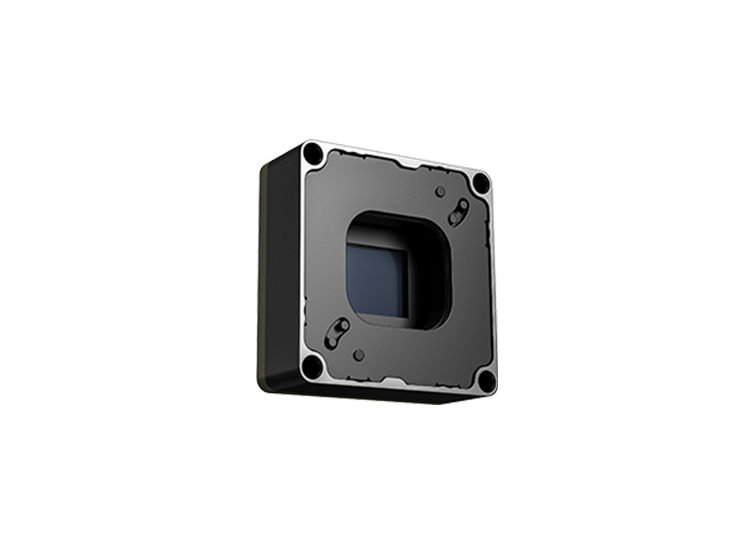
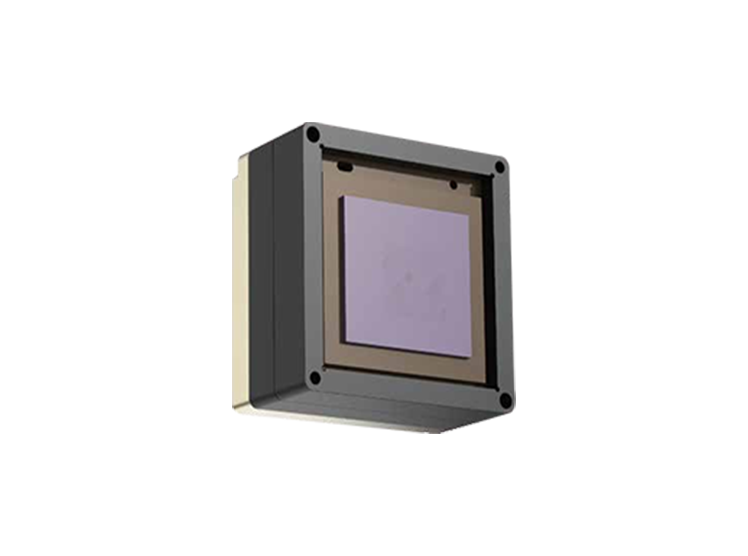
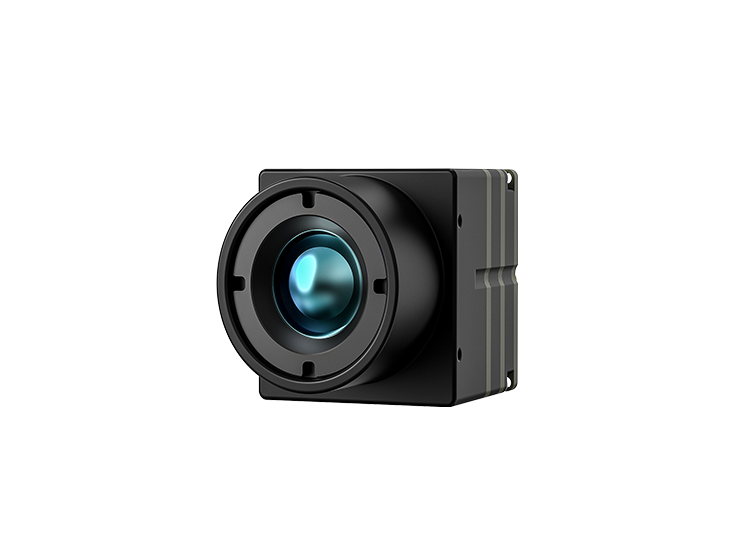
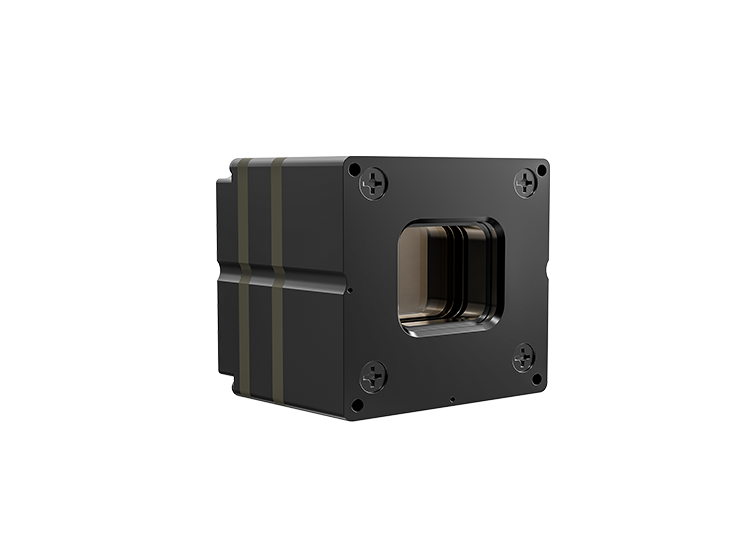
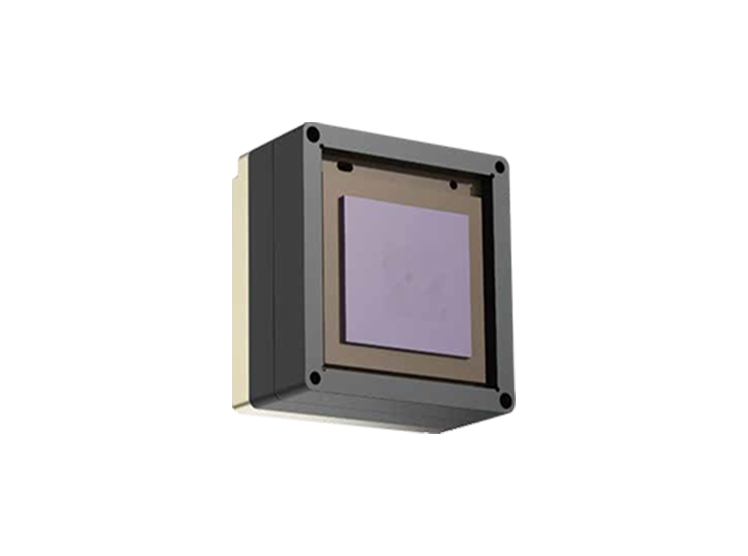
To support these applications, we incorporate our Uncooled Thermal Module technology. The Fireye A series uncooled thermal module is small, lightweight, and energy-efficient, making it a practical component in large-area monitoring systems. It runs without a shutter and TEC, ensuring continuous, smooth imaging suitable for demanding fire-detection tasks. The module’s infrared detector offers durability with strong resistance to shock and impact. Since it is independently developed with integrated software and hardware, it maintains stable performance and compensates for energy drift, ensuring clear thermal images. It supports analog and digital outputs and works with multiple infrared lenses, expanding its use beyond smoke detection to vehicle night vision, security surveillance, outdoor activities, firefighting support, and search-and-rescue operations. Combined with our thermal detector system, this module strengthens the effectiveness of every thermal smoke detector used in large-scale deployments.
Conclusion: Practical Advantages for Large-Scale Fire Safety
Applying thermal imaging in smoke detection allows us to offer reliable and practical solutions for spacious environments. With the support of IRVOTEX technologies, a thermal detector enhances early-warning capability and operational stability, while each thermal smoke detector maintains consistent sensitivity across wide-open layouts. This approach helps facility operators improve safety management and reduce the risks associated with difficult-to-monitor areas.


