 +86 (028) 8535 5966
 +86 17323184180
 irvotex@votinfrared.com
 Links
Links

What Are the Unique Advantages of Thermal Heat Detectors in High-Temperature Industrial Environments
2026/02/13High-temperature industrial environments pose constant challenges for safety monitoring, especially when traditional sensors struggle under harsh conditions. As we continue strengthening our solutions at IRVOTEX, we focus on how a thermal detector can provide dependable performance where reliability is essential. In this article, we explain the specific advantages of using a thermal heat detector in demanding industrial settings and why its characteristics align well with environments that operate under elevated temperatures.
High-Temperature Resistance and Stable Operation
A major advantage of a thermal heat detector in industrial environments is its inherent ability to function reliably under sustained heat exposure. In many cases, conventional sensors face early degradation when placed near boilers, furnaces, or heavy-duty machinery. Our company emphasizes practical value, so when we integrate a thermal detector into an industrial system, we rely on its stable temperature-sensing mechanism, which is less affected by environmental interference. The detector identifies abnormal heat changes based on thermal principles instead of airflow or particulate presence, making it suitable for facilities where dust, steam, or chemical vapors would otherwise disrupt normal monitoring.
Accurate Detection in Harsh or Contaminated Conditions
Many industrial areas produce smog, smoke, or fine particles during routine operations. These conditions often reduce the performance of optical or gas-based sensors. By contrast, a thermal detector provides temperature-based monitoring that remains consistent even in contaminated spaces. When we apply a thermal heat detector to high-temperature workshops or manufacturing lines, it allows our monitoring system to detect heat abnormalities without relying on clear visibility. This accuracy improves early discovery of overheating equipment, helping operators manage risks before they escalate. Additionally, when integrated with our broader safety solutions, the detector supports timely decision-making based on direct thermal variations.
Enhanced Suitability for Outdoor and Fire-Prone Areas
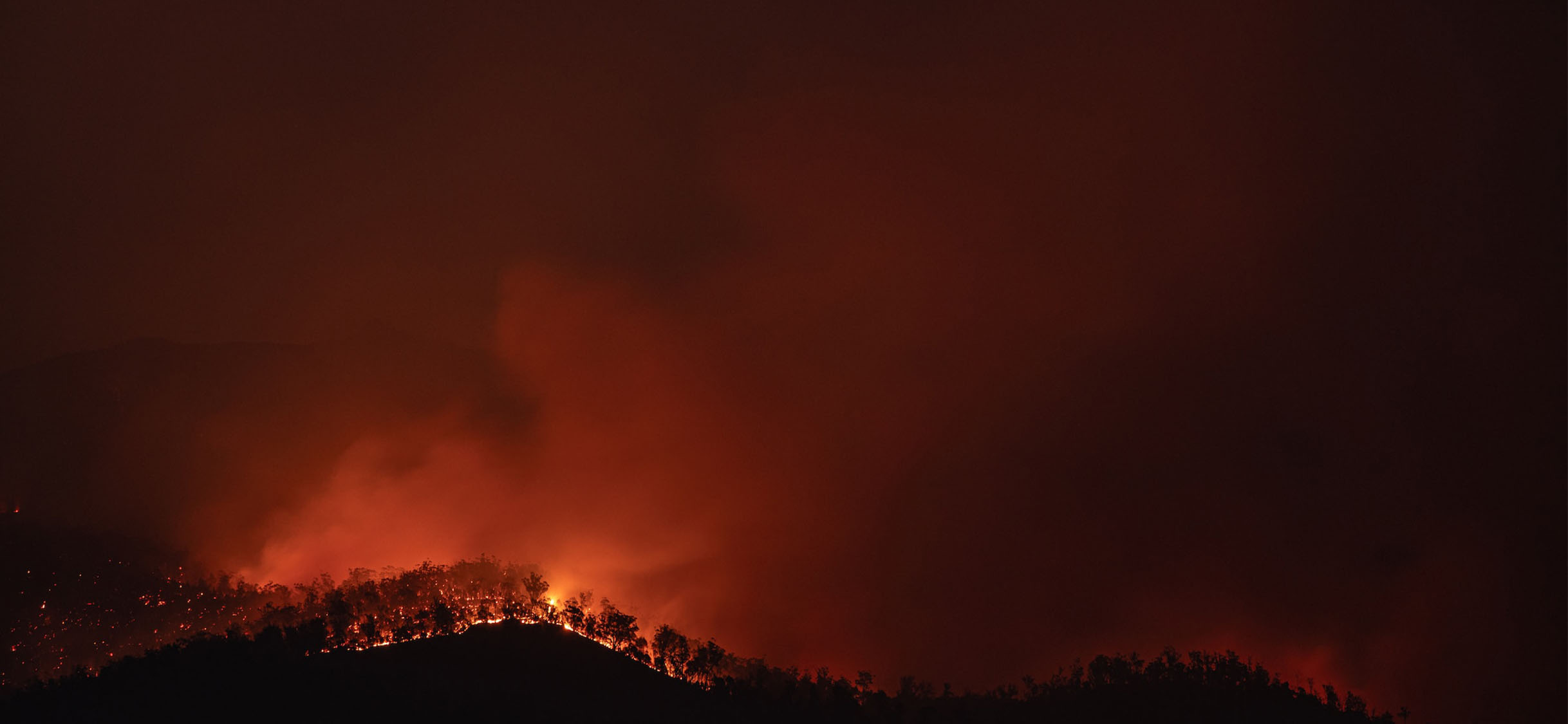
In outdoor or semi-open industrial zones, environmental fluctuations can cause misleading results for traditional sensors. A thermal heat detector performs better under these conditions by focusing solely on heat sources. This characteristic aligns with our solutions for forest-related applications, including Forest Fire Prevention, where rapid identification of high-temperature points is essential. Infrared thermal imaging technology complements our systems by scanning large areas, supporting all-weather monitoring, and identifying early fire behavior. When we combine these technologies, our company can build a robust, three-dimensional monitoring network that improves early-warning efficiency and supports fire control strategies.
Conclusion
For high-temperature industrial environments, the thermal detector and thermal heat detector offer unique advantages that make them practical, stable, and suitable for long-term deployment. Their resistance to heat, reliability in contaminated atmospheres, and adaptability to complex outdoor environments allow our company to create safer industrial systems. At IRVOTEX, we continue developing solutions that integrate thermal detection with broader monitoring tools, including applications such as Forest Fire Prevention, to support faster decision-making and enhance safety performance across various industrial sectors.


