 +86 (028) 8535 5966
 +86 17323184180
 irvotex@votinfrared.com
 Links
Links

How to Seamlessly Integrate a Thermal Camera Into an Existing Drone Fleet
2026/02/09As we expand the capabilities of our unmanned systems, we often face the question of how to integrate new sensing tools while keeping operations stable. At IRVOTEX, we work closely with professional users who want to introduce a drone thermal camera into an existing fleet without disrupting current workflows. By focusing on compatibility, power management, and software alignment, we ensure that adding a thermal camera for drone operations becomes a smooth and predictable process.
Understanding System Requirements and Compatibility
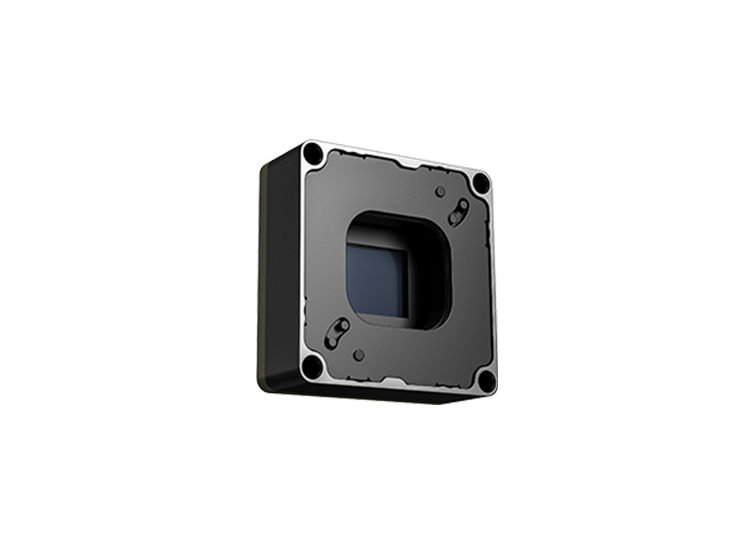
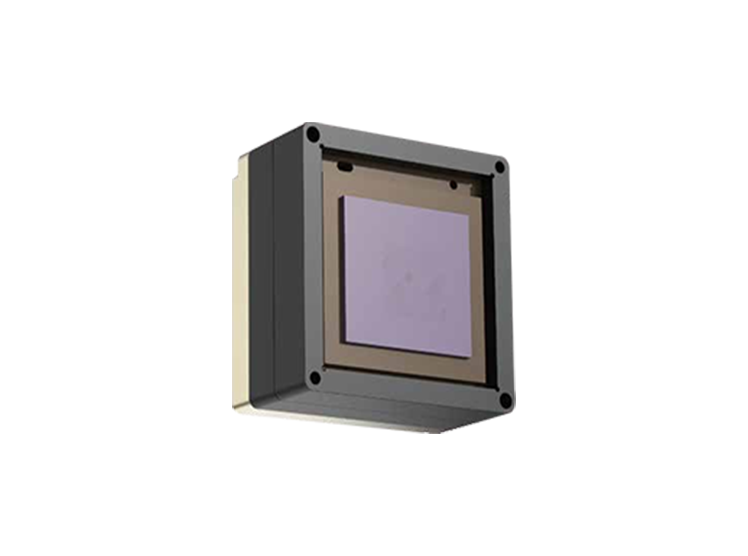
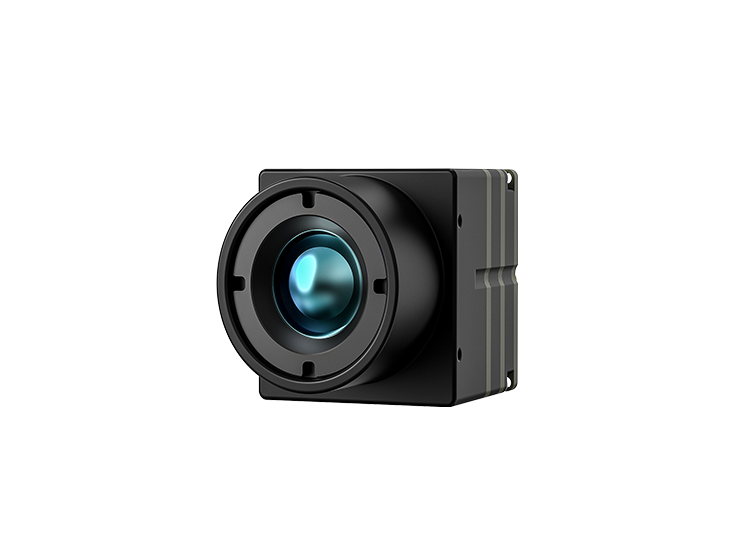
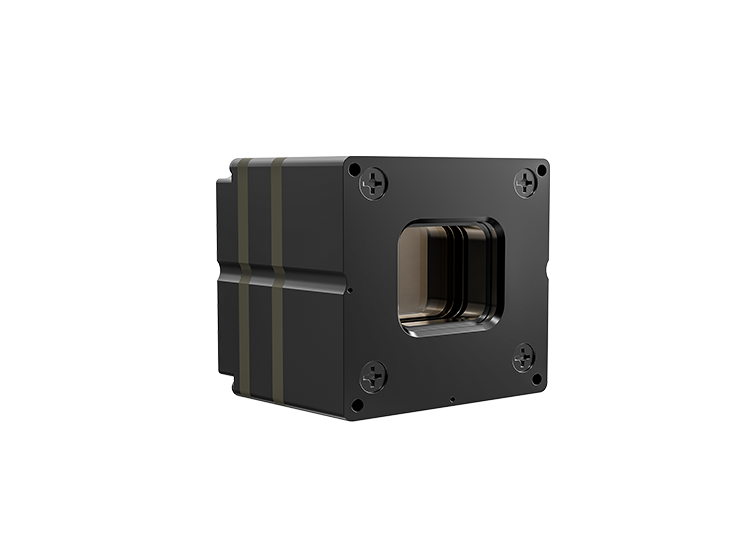
Before we begin integration, we evaluate the drone platform’s payload capacity, interface options, and processing limits. This helps us determine how a drone thermal camera will interact with the aircraft’s existing systems. In this stage, our team introduces the Fireye V2 series uncooled thermal module, which includes independently developed lenses, detectors, and structural components. Because the module is compact and designed for flexible configurability, it fits well into a wide range of UAV designs. With IRVOTEX, we prioritize predictable performance, ensuring the chosen thermal camera for drone does not exceed power limits or affect flight stability.
Streamlining Hardware and Software Integration
To integrate a drone thermal camera effectively, hardware installation must be matched with software optimization. The Fireye V2 uncooled thermal module integrates hardware and software in a unified structure, automatically compensating for energy drift to maintain image clarity and smooth output. During installation, we check power distribution, wiring pathways, and vibration resistance so the module performs reliably in all environments. Our company also verifies that the thermal camera for drone outputs are compatible with existing ground-control systems, enabling operators to access thermal imaging with minimal training or interface changes. By ensuring these steps align, IRVOTEX supports a stable upgrade path for advanced sensing workloads.
Applying the Module Across Different Use Scenarios
Once the module is mounted and aligned, we move into operational testing. The Fireye V2’s stable structure and infrared detector allow it to perform consistently in fields such as search and rescue, outdoor inspections, fire monitoring, and security applications. As we guide operators in using a drone thermal camera, we focus on mission planning, data interpretation, and imaging workflow adjustments. With well-designed interfaces and smooth thermal output, the thermal camera for drone integration strengthens the fleet’s ability to work in low-visibility or high-risk conditions. This approach reflects how IRVOTEX helps customers expand capability without redesigning entire platforms.
Conclusion
Integrating a drone thermal camera into an existing UAV fleet becomes achievable when we evaluate compatibility, streamline installation, and ensure efficient software alignment. With the Fireye V2 uncooled thermal module, the process remains practical and reliable for users who need flexible sensing solutions. By selecting a well-engineered thermal camera for drone, and following a structured integration plan, teams can enhance operational awareness while maintaining stable workflows across their drone systems. At IRVOTEX, we continue supporting these upgrades with dependable technology and field-focused experience.


