 +86 (028) 8535 5966
 +86 17323184180
 irvotex@votinfrared.com
 Links
Links

The Three Most Critical Performance Parameters When Selecting a drone thermal camera
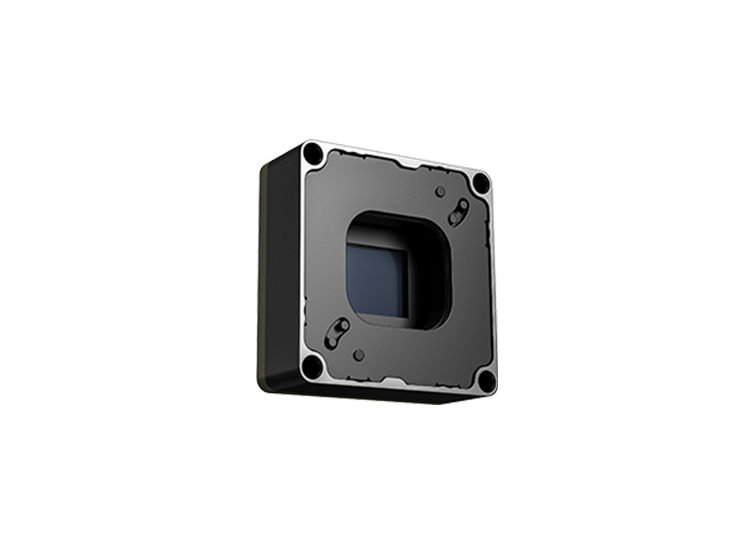
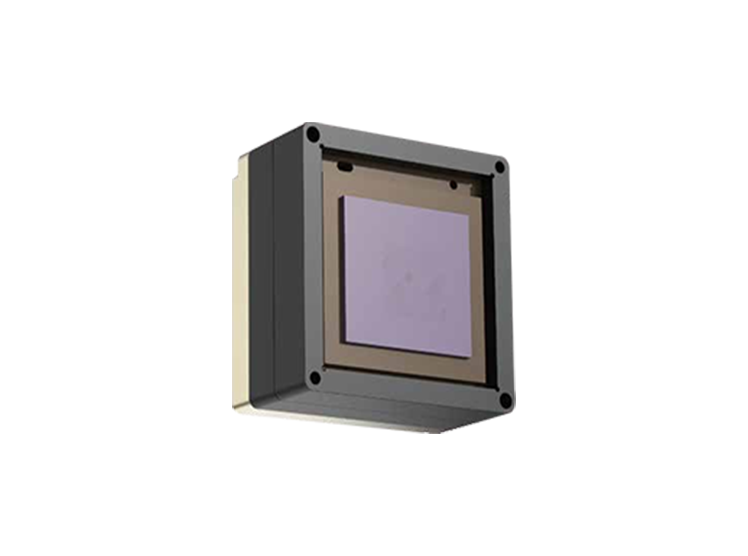
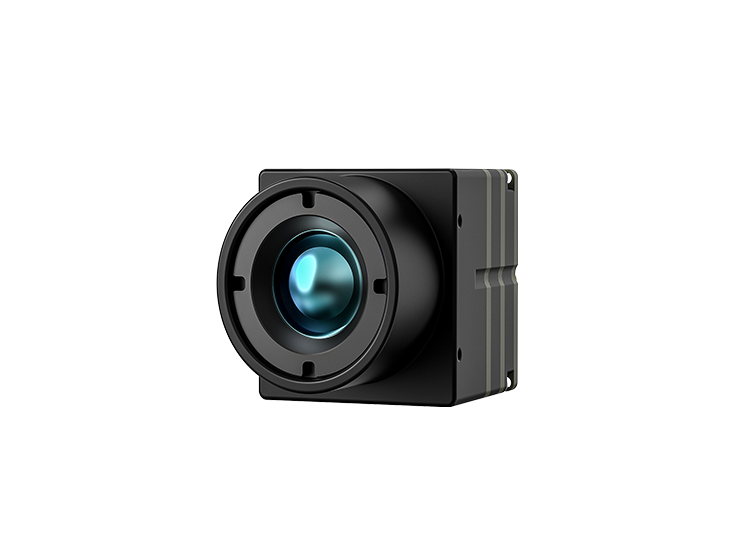
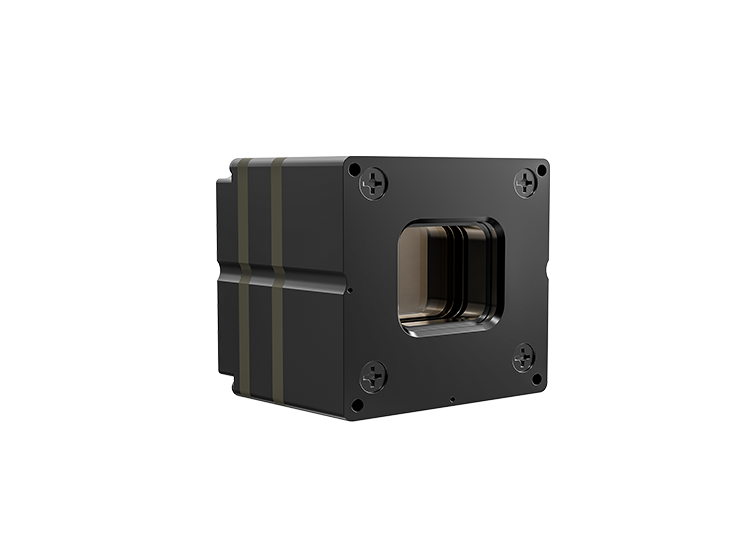
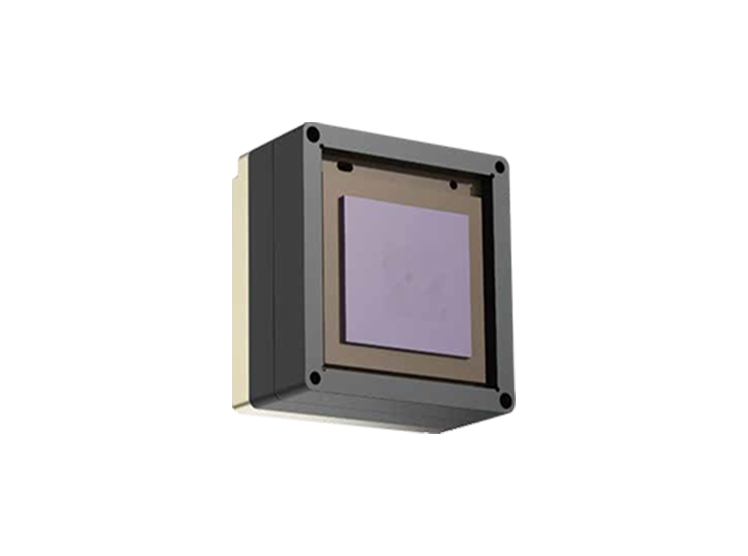
2026/02/08Understanding the right criteria for choosing a drone thermal camera is essential for customers who rely on stable imaging and reliable performance in demanding environments. As IRVOTEX, we focus on offering practical knowledge that helps users make informed choices while ensuring our solutions meet industry expectations. In this article, we explain the three most important performance parameters to consider when evaluating any thermal imaging system for aerial use. We also introduce our Fireye A-series Uncooled Thermal Module, a compact and efficient option built for professional applications.
Sensor Sensitivity and Image Clarity
One of the most critical parameters when selecting a drone thermal camera is sensor sensitivity, often expressed in millikelvin. Higher sensitivity enables the system to detect smaller temperature differences, resulting in clearer thermal images. As a provider focused on real-world applications, we emphasize how sensitivity directly affects performance in tasks such as search and rescue, inspection, and night-time surveillance. Our Fireye A-series uncooled thermal module uses a technically reliable infrared detector designed to maintain clarity even under changing environmental conditions. Its integrated software and hardware compensate for energy drift to preserve smooth and stable output, supporting professionals who depend on consistent imaging.
Frame Rate and Continuous Imaging Performance
A second key parameter involves the frame rate and overall imaging smoothness. When a drone thermal camera is used on a moving platform, the system must deliver continuous real-time images without interruptions or shutter-related pauses. This is where our Fireye A-series uncooled thermal module shows its advantages. It operates without a shutter or TEC, allowing uninterrupted real-time thermal imaging during flight. This ensures that operators can track targets, monitor activity, and navigate low-visibility areas without delays. With its lightweight and low-power design, the module supports efficient drone integration while maintaining stable performance across various operational conditions.
Lens Compatibility and Application Flexibility
Lens compatibility is the third essential factor when choosing a drone thermal camera, as different focal lengths directly influence detection range and field of view. Professional users often require flexibility, especially when switching between missions such as outdoor sports recording, firefighting, law-enforcement search tasks, or vehicle-mounted operations. Our Fireye A-series module supports multiple infrared lens specifications and offers both digital and analog video outputs, allowing straightforward integration into different systems. This versatility ensures that the imaging solution adapts to a broad range of environments without compromising reliability.
Conclusion
Selecting the right drone thermal camera requires attention to sensor sensitivity, imaging smoothness, and lens compatibility. As IRVOTEX, we focus on providing solutions that support these critical parameters while maintaining stable performance for professional users. Our Fireye A-series uncooled thermal module is built with a dependable infrared detector, lightweight structure, and flexible output options, making it suitable for applications ranging from rescue operations to security monitoring. With these advantages, we aim to help customers choose thermal imaging systems that deliver consistent results in practical field conditions.


