 +86 (028) 8535 5966
 +86 17323184180
 irvotex@votinfrared.com
 Links
Links

How Thermal Cameras Assist in Automotive Testing and R&D
2026/02/04As IRVOTEX, we focus on providing practical and reliable thermal imaging solutions for automotive engineering teams. When exploring how do thermal cameras assist in automotive testing and R&D, we place strong emphasis on real-world scenarios where tools such as car thermal imaging and thermal camera car setups help engineers validate designs, diagnose issues, and enhance vehicle safety systems. Thermal imaging adds a non-contact and highly intuitive way to evaluate temperature behaviors across components, supporting more accurate and data-driven development.
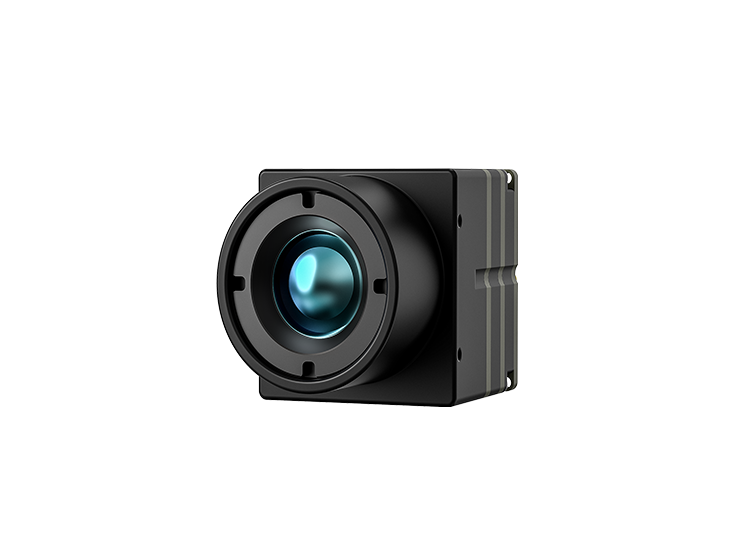
Enhancing Engineering Analysis with Thermal Imaging
During early-stage automotive research, engineers need to understand how heat flows through engines, batteries, braking systems, and electronic components. By integrating car thermal imaging into these tests, we gain clear visibility into thermal distribution patterns that are otherwise impossible to observe with traditional sensors. This supports safer thermal management designs and helps identify issues such as localized overheating or inefficient cooling paths. When applying a thermal camera car platform in dynamic road tests, we can capture real-time thermal responses under varying loads, offering insights into environmental impact, airflow behavior, and component durability.
Supporting System Development with Advanced Thermal Modules
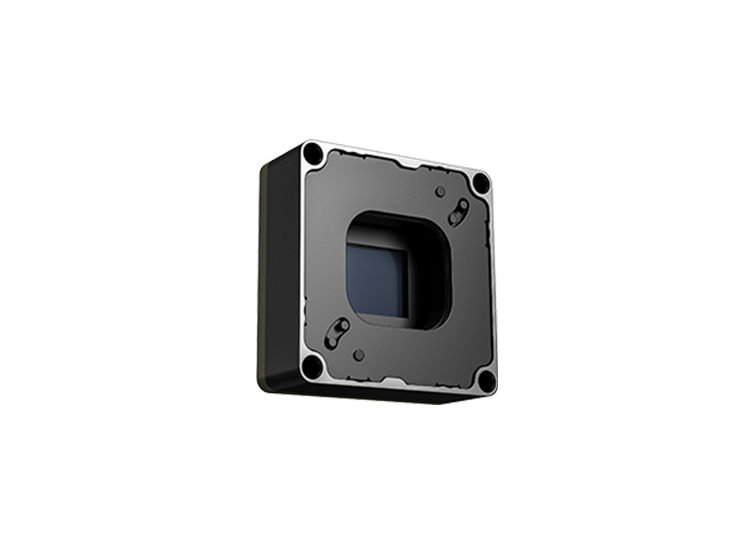
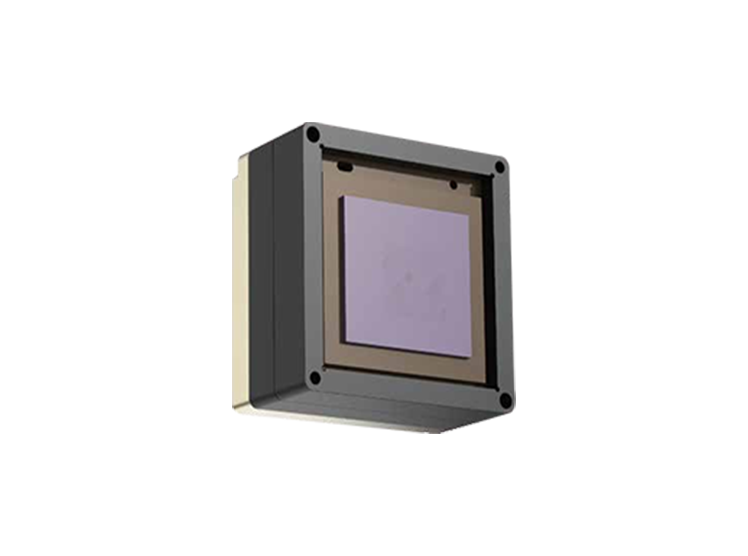
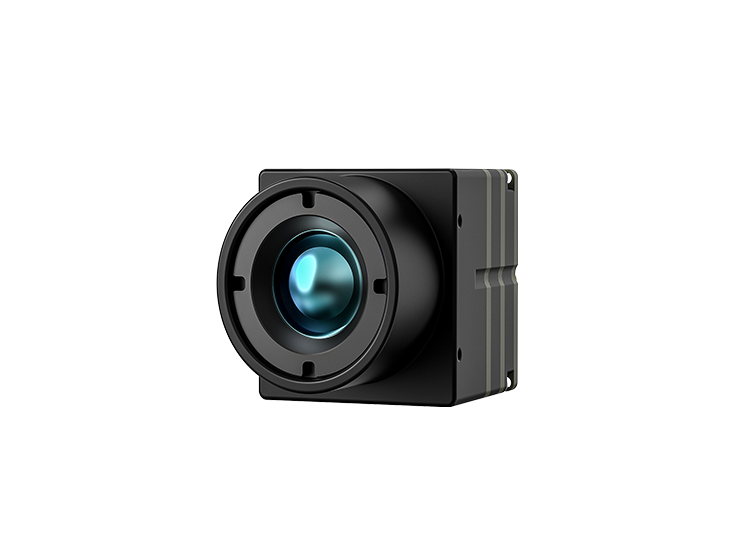
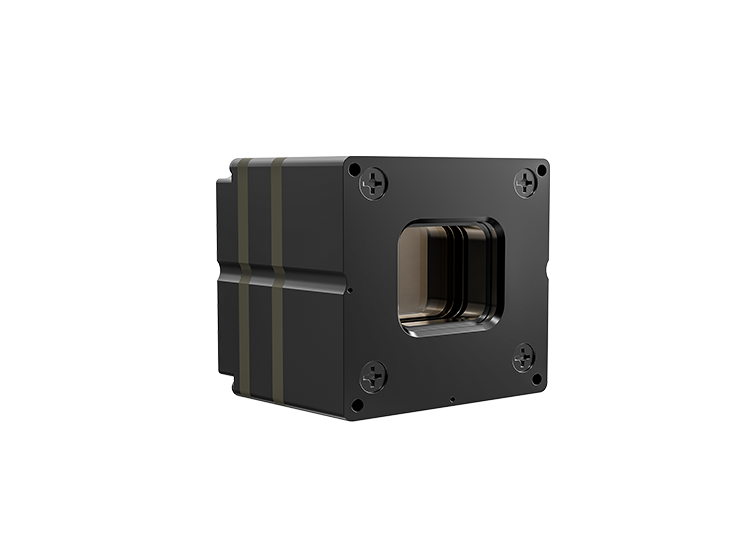
In our work, we integrate advanced thermal modules to strengthen overall testing capability. The Fireye V2 Series uncooled thermal module is one example of a solution we rely on for rigorous automotive R&D. It uses a highly reliable infrared detector with strong resistance to shock and impact. With independently developed lenses, detectors, and mechanical structures, the module provides secure and stable performance. Its hardware-software integration helps compensate for energy drift to maintain image clarity, allowing us to capture accurate car thermal imaging data over long cycles. When mounted in a thermal camera car configuration, its stable structure and flexible adaptability make it suitable for thermal system development across multiple automotive platforms.
Improving Safety Research and Night-Vision Innovation
As automotive safety technologies continue to evolve, thermal imaging contributes to areas such as night-vision system development and sensor validation. With IRVOTEX participating in these projects, we use thermal tools to analyze pedestrian visibility, road-surface temperature differences, and obstacle detection performance under low-light or harsh-weather conditions. Data from car thermal imaging solutions supports the refinement of perception algorithms, while thermal camera car setups allow engineers to validate sensor behavior in real automotive environments. The Fireye V2 Series module is particularly useful here because it can be applied in automotive night-vision systems, offering stable imaging that assists developers in improving hazard-detection reliability.
Conclusion
Understanding how do thermal cameras assist in automotive testing and R&D requires recognizing their ability to reveal temperature-based insights that conventional tools cannot capture. Through the application of IRVOTEX solutions, we rely on car thermal imaging and thermal camera car configurations to analyze heat distribution, validate new technologies, and support the development of safer vehicles. With advanced modules like the Fireye V2 Series, we continue enhancing the precision and effectiveness of our testing workflows.


