 +86 (028) 8535 5966
 +86 17323184180
 irvotex@votinfrared.com
 Links
Links

How Thermal Imaging Becomes a Key Sensor for Autonomous Vehicle Safety Systems
2026/02/03As autonomous driving technology continues to evolve, we at IRVOTEX recognize that reliable sensing is essential for safe vehicle operation. Thermal imaging has gradually become a crucial component in this development because car thermal imaging allows systems to detect heat signatures independent of visible light. In environments where traditional sensors face challenges—such as darkness, fog, haze, smoke, or backlighting—thermal imaging provides consistent scene awareness. This capability gives autonomous vehicles an additional layer of perception that supports accurate detection of pedestrians, roadside animals, and obstacles. By incorporating thermal imaging for cars into the sensing suite, we can help vehicles interpret complex environments with more stability and confidence.
Advantages of Thermal Imaging in Autonomous Vehicle Safety
Integrating thermal sensors into autonomous driving platforms has meaningful benefits for safety-critical decision-making. First, car thermal imaging helps vehicles maintain continuous object detection without relying on illumination conditions. This enables safer navigation during nighttime driving or early-morning low-visibility periods. Second, thermal signatures make it easier to distinguish living beings from static objects, which is important for reducing collision risks. Third, thermal imaging for cars supports redundancy in safety architectures, providing an independent perception channel that enhances sensor fusion accuracy. When combined with radar, LiDAR, and visible-light cameras, thermal data strengthens the clarity of classification models and contributes to more reliable autonomous reactions. These characteristics explain why thermal imaging is becoming a key sensor category within advanced driver-assistance and autonomous vehicle systems.
How Our Technology Supports Automotive Integration
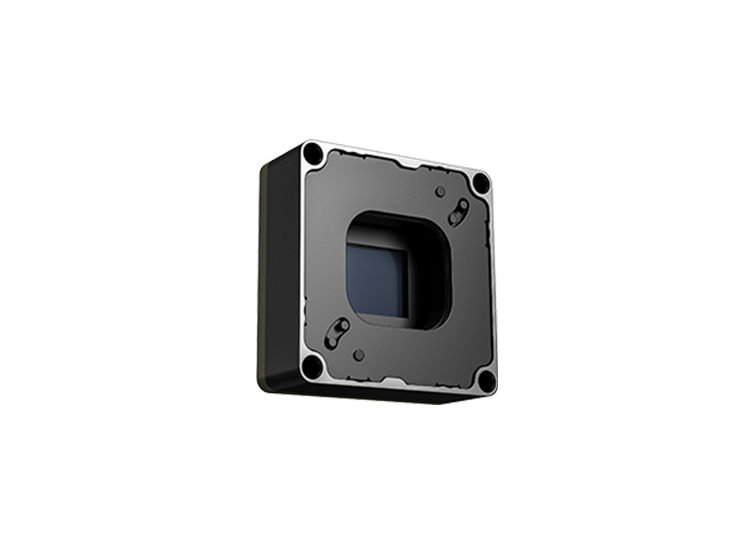
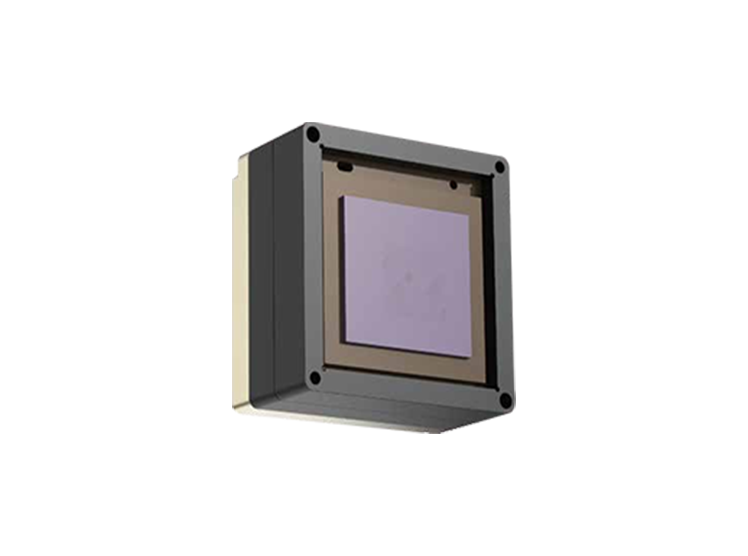
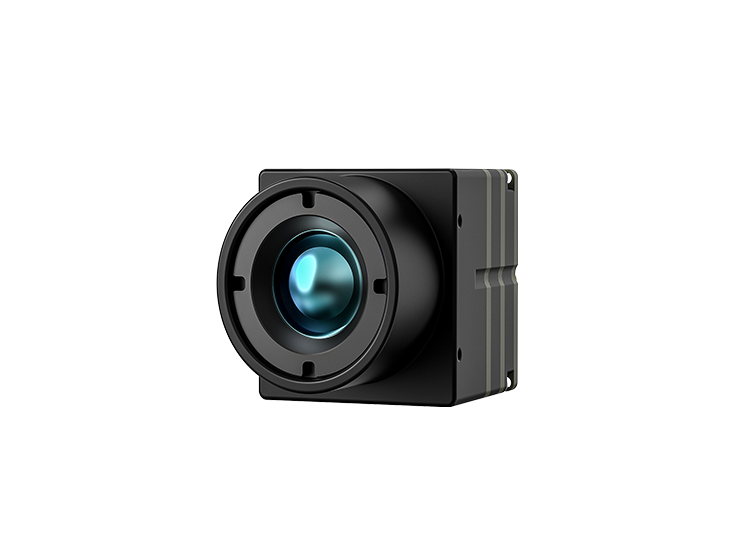
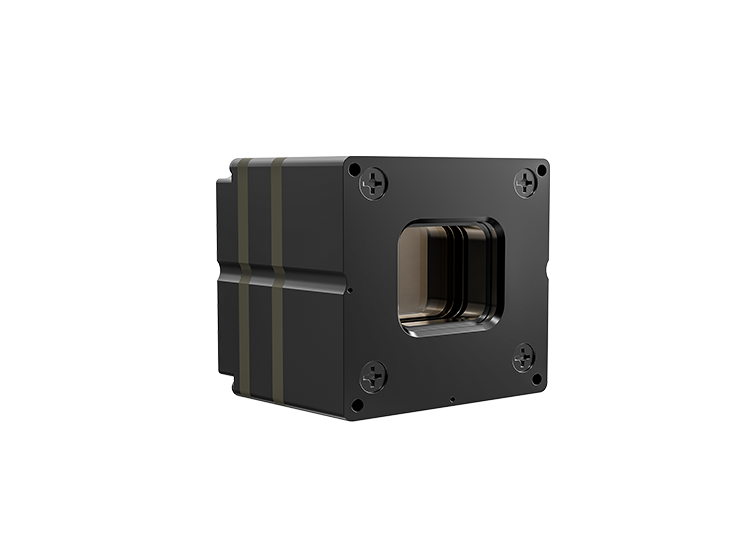
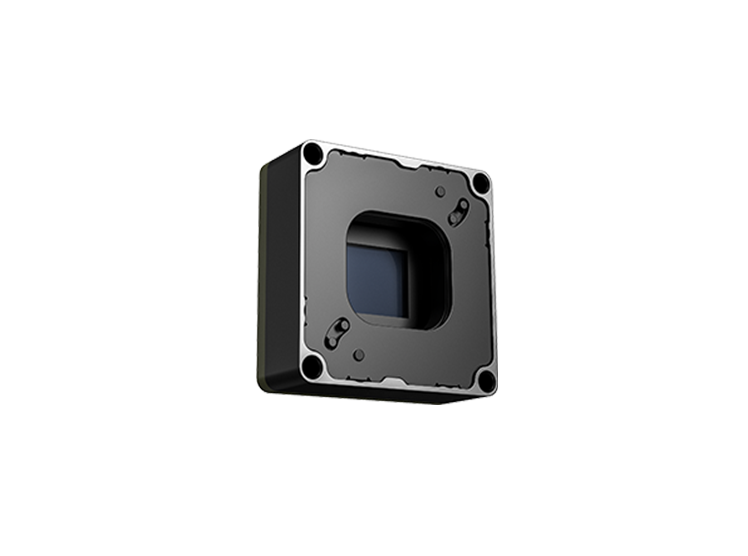
To support industry demand, we provide advanced solutions through our IRVOTEX Spiritpupil Series. This uncooled thermal module features a high-reliability infrared detector engineered to withstand strong shock and vibration, making it suitable for automotive environments. All essential elements—including the detector, structural components, and infrared lenses—are developed in-house to ensure consistency and technical safety. The module’s integrated hardware-software system stabilizes energy drift to deliver smooth and clear images, which is essential for high-precision autonomous sensing. Designed with a compact form factor and customizable interfaces, the Spiritpupil Series can be adapted to various system architectures. With optional interchangeable lenses, it is compatible with automotive night-vision systems as well as additional applications such as surveillance, outdoor exploration, fire response, and law-enforcement equipment. By applying car thermal imaging capabilities through this module, our solutions help vehicle manufacturers build stronger and more reliable perception systems.
Conclusion
Through continuous development and practical engineering, we believe thermal imaging has become a key sensor for improving autonomous vehicle safety. The ability of thermal imaging for cars to provide heat-based detection independent of lighting conditions makes it an essential complement to existing sensor technologies. With our IRVOTEX Spiritpupil Series, we support automotive partners in enhancing perception accuracy, expanding sensing coverage, and improving environmental awareness across diverse driving conditions. As autonomous mobility continues to advance, we remain committed to offering dependable and well-designed thermal imaging solutions that contribute to safer and more resilient vehicle systems.


