 +86 (028) 8535 5966
 +86 17323184180
 irvotex@votinfrared.com
 Links
Links

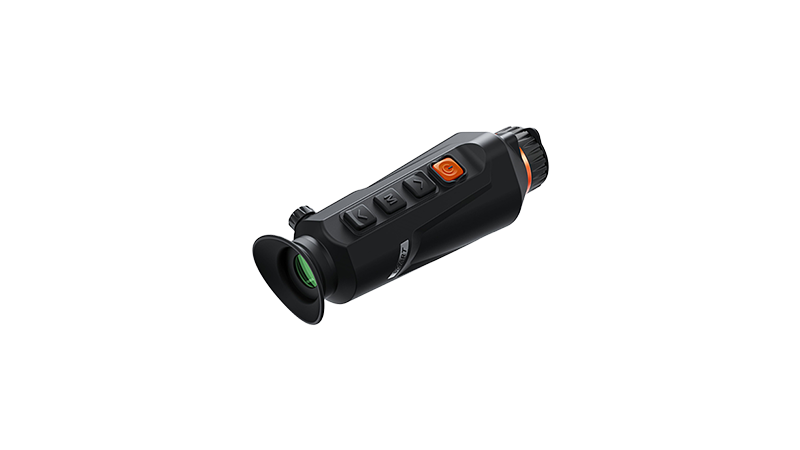
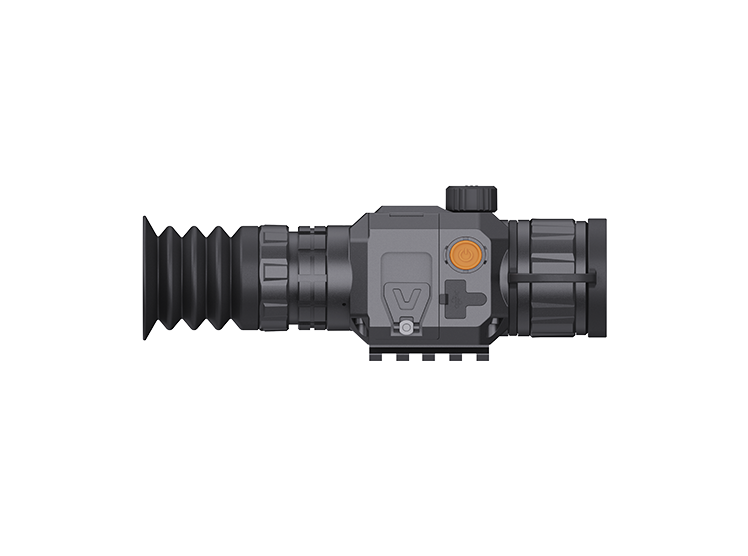
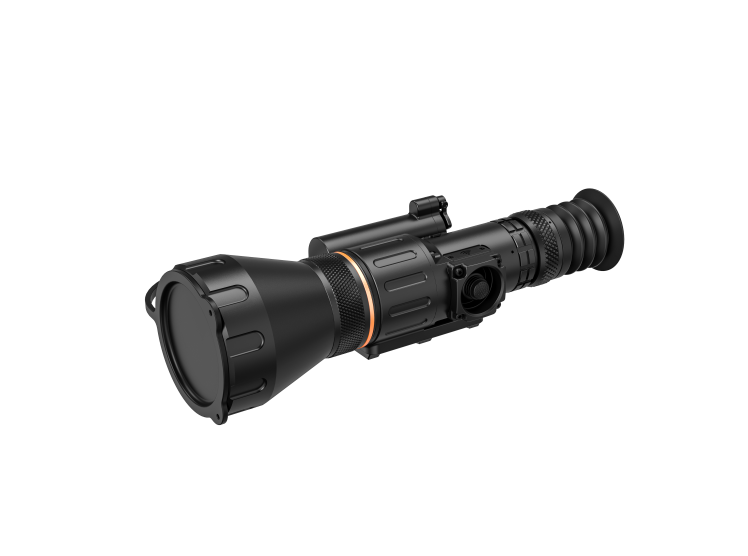
What Is the Optimal Detection Range for Outdoor Thermal Applications in Security
2026/01/29As we work with advanced imaging technologies at IRVOTEX, we are often asked what the optimal detection range is for modern security systems using an outdoor thermal camera. In our experience, the ideal range depends on application goals, field conditions, and sensor specifications. Since every environment behaves differently, we evaluate distance requirements based on object size, background contrast, and operational needs. By clarifying how an outdoor thermal system performs across these variables, we help our professional users design stronger and more reliable perimeter protection strategies.
Factors That Influence Reliable Detection Distance
One of the first considerations when planning with an outdoor thermal camera is environmental behavior. Fog, rain, heat waves, and total darkness can reduce or enhance contrast, which directly changes how far our security system can detect moving objects. We typically focus on determining whether users need human-sized detection at short or extended distances. When we assess any outdoor thermal requirement, we analyze terrain layout and potential blind zones, allowing our solutions to maintain stable performance without relying on unrealistic assumptions. This helps our company guide clients toward selecting suitable optics, pixel resolution, and lens configurations.
Matching Detection Range With Practical Security Needs
In many security deployments, the question is not simply “how far can we see,” but “how far do we need to detect reliably.” At IRVOTEX, we emphasize that the optimal detection range of an outdoor thermal camera must match purpose—large industrial sites may require long-range monitoring, while residential or facility-level systems often prioritize medium-range accuracy. When determining appropriate outdoor thermal performance, we consider response procedures, camera placement, and how operators interpret thermal signatures during real-time monitoring. This ensures the designed system remains functional even during challenging nighttime or low-contrast conditions.
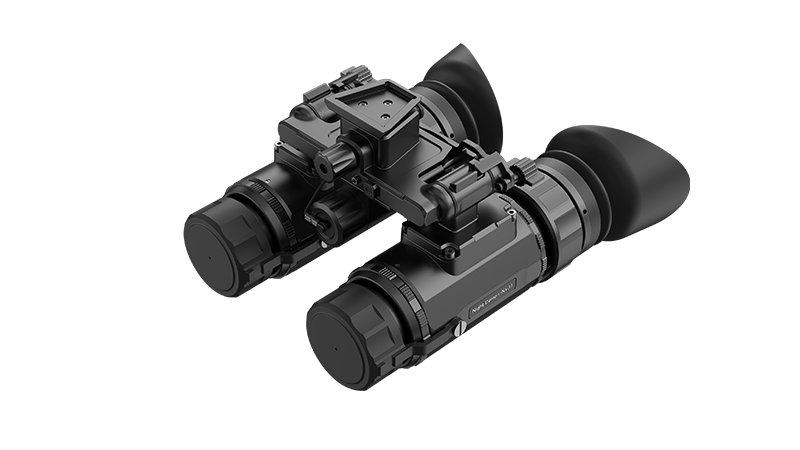
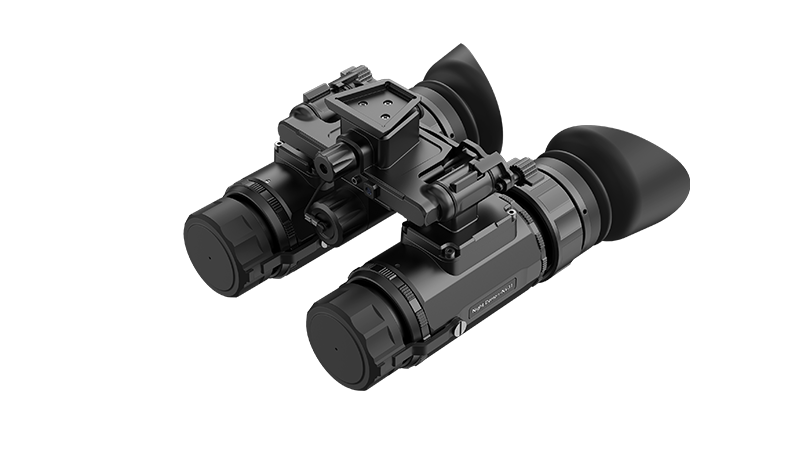
Integrating Practical Tools Such as the ND-NV31
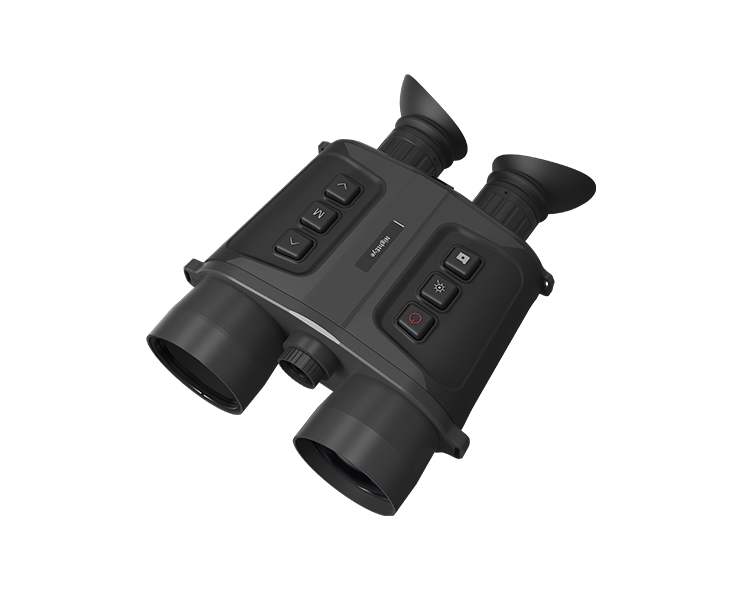
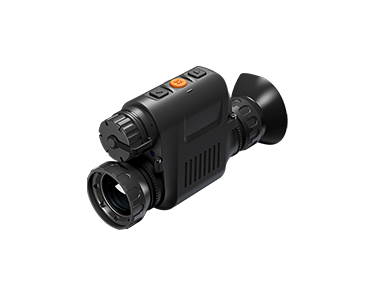
To support a wider set of field tasks, we also provide portable solutions that complement fixed detection systems. Our ND-NV31 night vision binocular is compact and easy to carry, enabling flexible off-site observation when needed. With up to 15 hours of battery life, the device operates continuously without frequent charging. The ND-NV31 includes intelligent sensing that turns off the display when the device is flipped, helping conserve energy in dynamic field operations. Its 850nm infrared fill light delivers bright imaging in low-light environments, and its IP67 protection rating makes it suitable for harsh outdoor conditions often encountered during thermal-based security work.
Conclusion
From our perspective at IRVOTEX, the optimal detection range for an outdoor thermal camera depends on environmental factors, operational expectations, and the level of detail required by the security team. When planning any outdoor thermal deployment, aligning technical capability with practical response needs is essential. By combining well-configured fixed systems with reliable portable tools like the ND-NV31, we help users maintain strong visibility and effective monitoring across a wide range of security scenarios.


