 +86 (028) 8535 5966
 +86 17323184180
 irvotex@votinfrared.com
 Links
Links

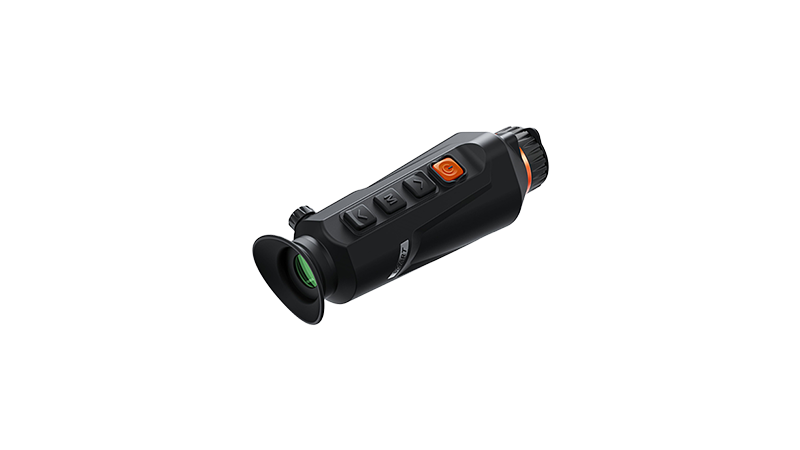
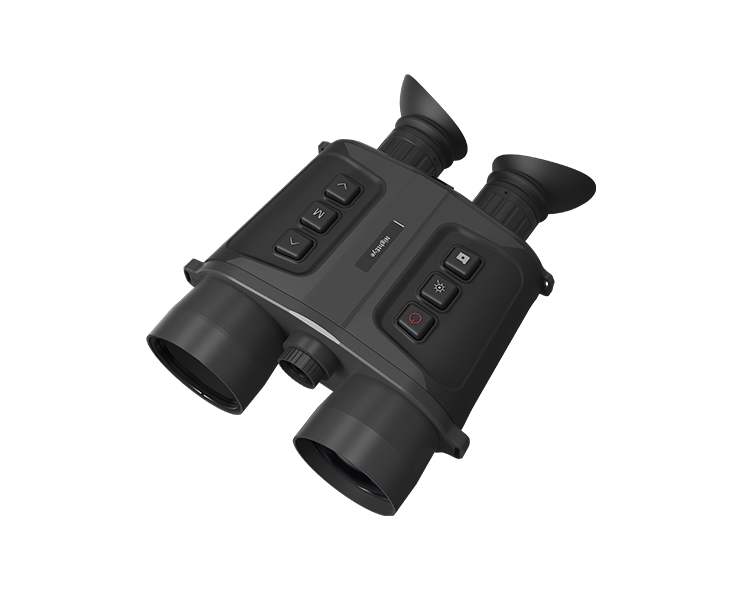
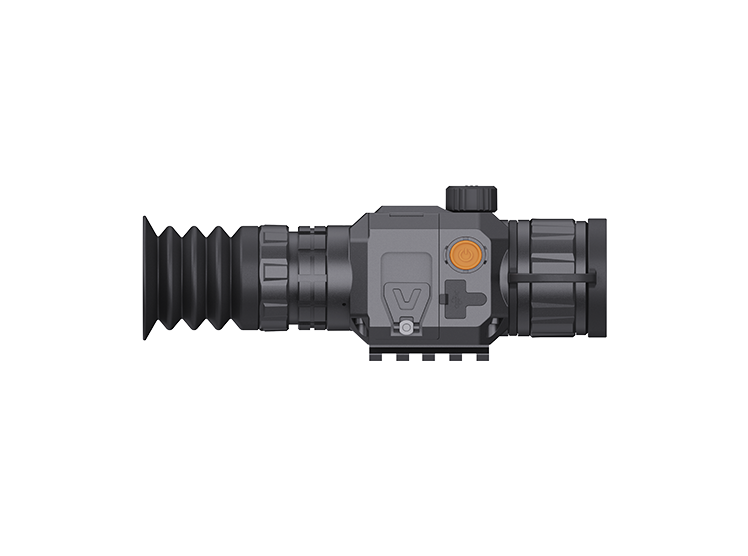
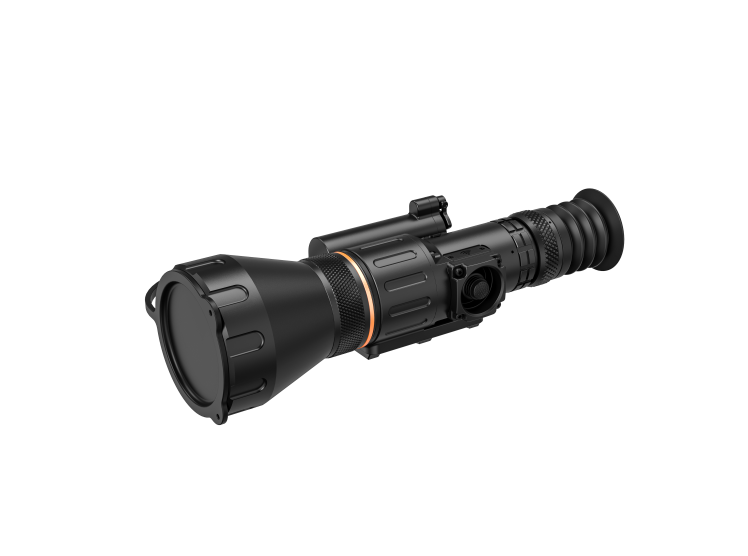
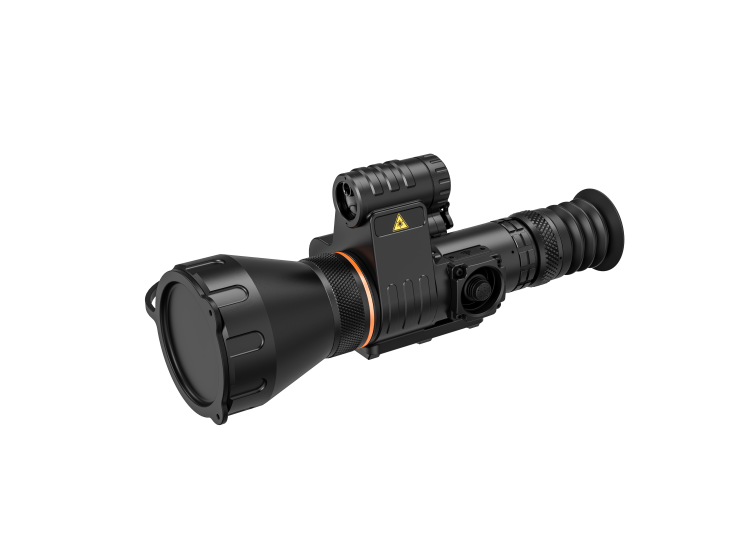
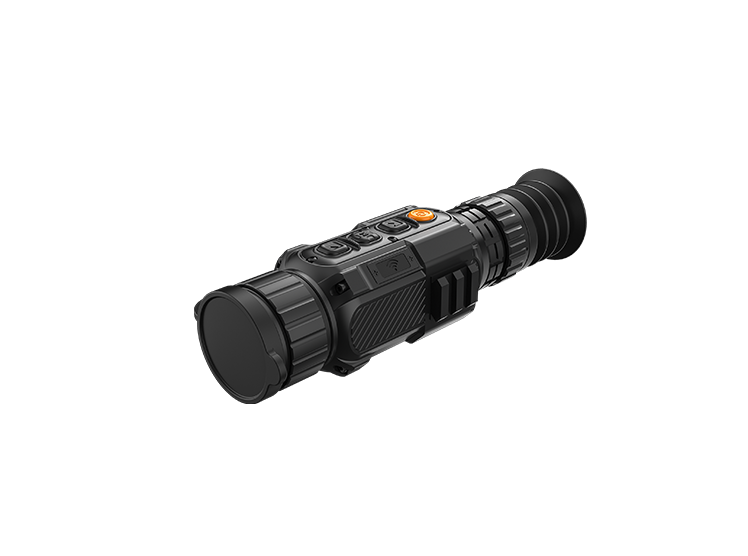
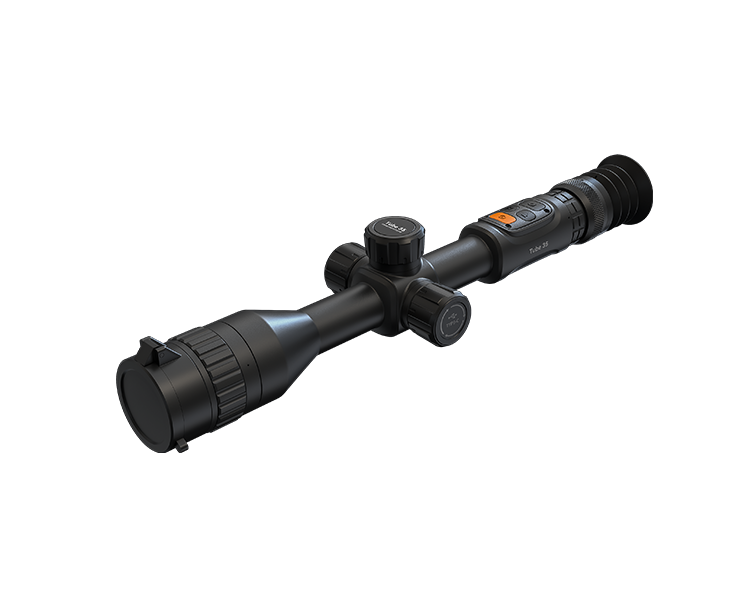
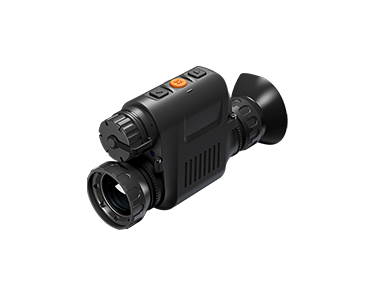
How to Maximize Battery Life of Outdoor Thermal Cameras for Extended Field Operations
2026/01/28When we evaluate how to maximize battery life during long field missions, we always consider the practical operating conditions of an IRVOTEX device. Extending runtime begins with understanding how an outdoor thermal camera behaves under different temperature ranges, humidity levels, and monitoring durations. Our company focuses on guiding field teams to reduce unnecessary energy consumption while preserving core detection capabilities. By adjusting frame rates, limiting continuous imaging, and enabling intelligent standby functions, users can maintain operational clarity without excessive battery drain. These methods help ensure that a thermal camera outdoor remains reliable throughout extended deployments such as surveillance, nighttime monitoring, wildlife tracking, and emergency operations.
Optimizing Device Settings for Energy Efficiency
Another key factor in prolonging battery life is refining system settings that directly affect power draw. When operating an outdoor thermal camera, users can reduce display brightness, adjust refresh intervals, or apply automated sleep modes during idle periods. These actions help maintain consistent performance while lowering overall energy usage. It is also important to evaluate environmental interference, as extreme cold or heat may influence battery stability. Our field partners often observe that simple adjustments—such as modifying detection sensitivity or reducing unnecessary background processing—can noticeably extend operating hours. These practices are essential for anyone relying on a thermal camera outdoor in locations with limited access to charging equipment.
Leveraging Spiritpupil Series Efficiency for Longer Operation
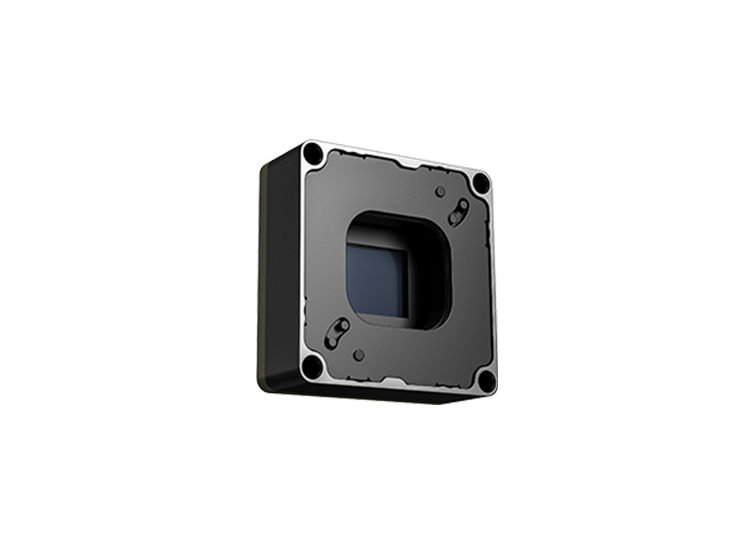
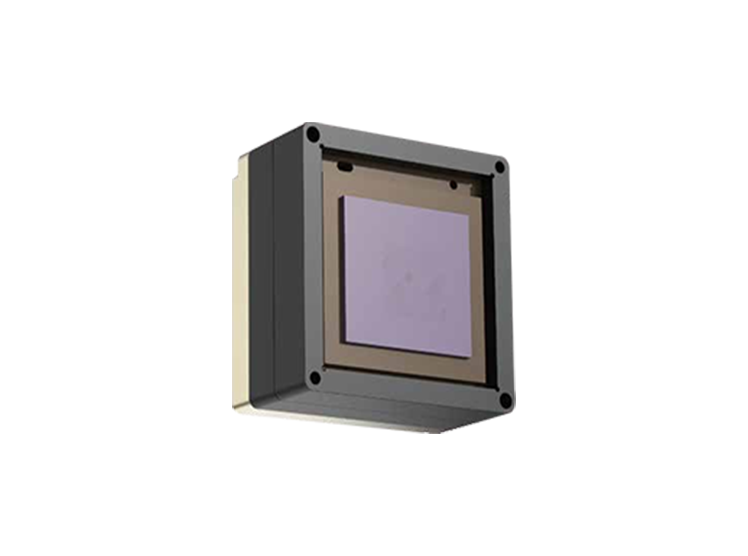
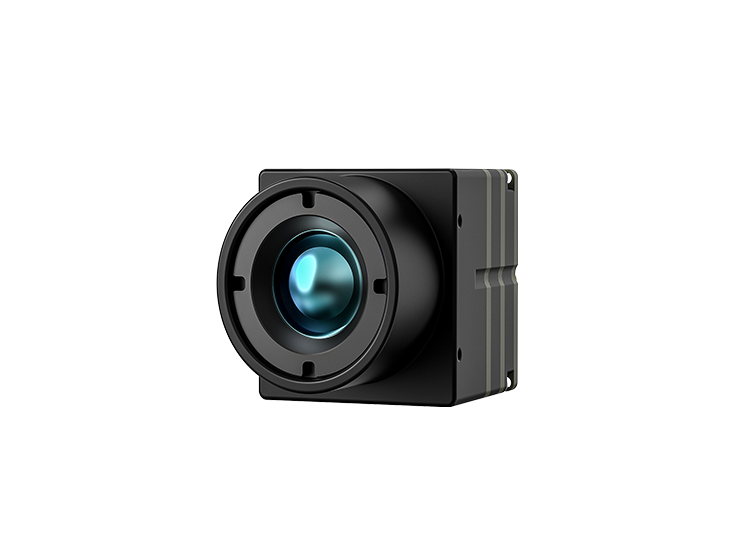
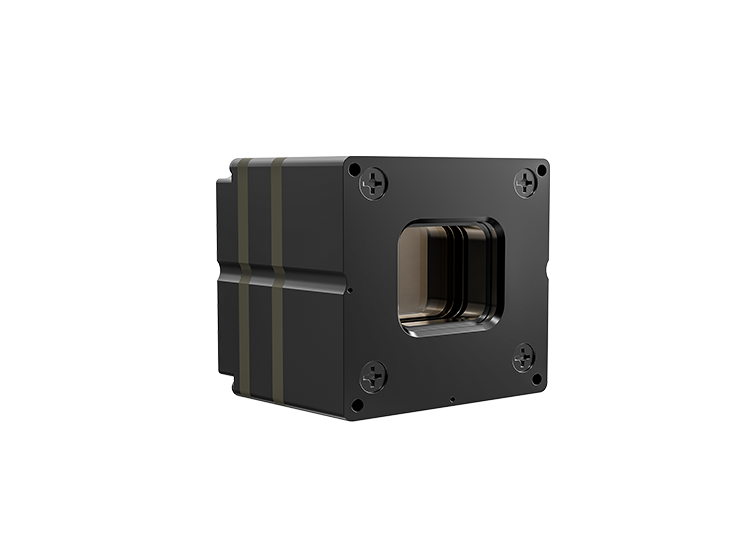
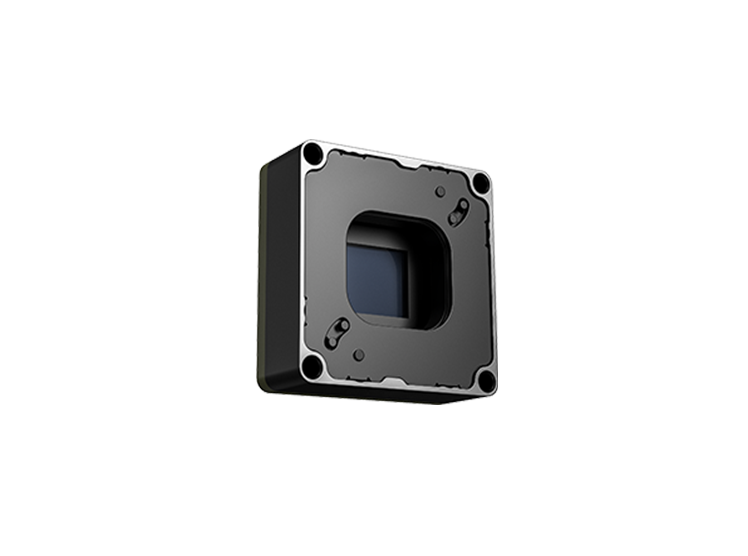
Our Spiritpupil Series uncooled thermal module offers natural advantages for long-duration tasks due to its compact construction and optimized performance structure. The module features a high-reliability infrared detector with strong resistance to vibration and shock, making it suitable for demanding outdoor missions. All critical components—including the lens, detector, and structural elements—are developed in-house, enabling our company to maintain consistent technical reliability and safe long-term operation. When integrated into an IRVOTEX system, the module’s capability to compensate for energy drift reduces unnecessary power loss and ensures smoother imaging. This benefits users who rely on an outdoor thermal camera for tasks such as night vision assistance, outdoor observation, security surveillance, fire rescue, and law enforcement operations. Additionally, customizable interfaces and interchangeable infrared lenses enhance flexibility, ensuring the device remains efficient across different environments. By using a thermal camera outdoor built on this module, teams gain the advantage of stable image clarity paired with lower energy consumption.
Conclusion
Maximizing battery life during extended field operations requires a combination of optimized settings, environmental awareness, and hardware designed for efficient performance. Through thoughtful configuration and the advantages built into the Spiritpupil Series, our company helps users maintain dependable runtime in an IRVOTEX field solution. These strategies allow an outdoor thermal camera to operate longer without compromising image quality or detection accuracy. When applying these best practices, teams can rely on a thermal camera outdoor to support critical missions where continuous monitoring is required.


