 +86 (028) 8535 5966
 +86 17323184180
 irvotex@votinfrared.com
 Links
Links

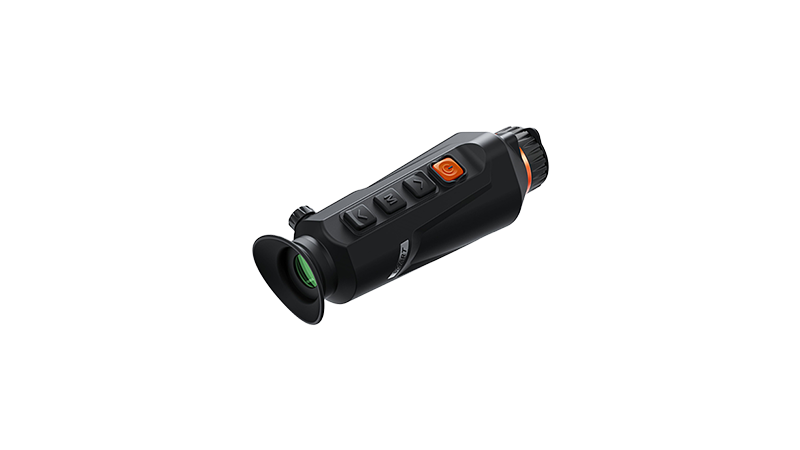
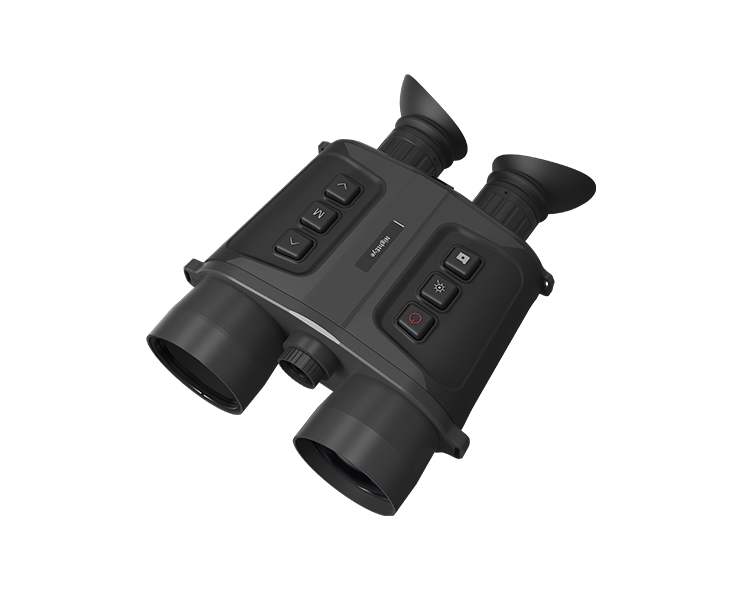
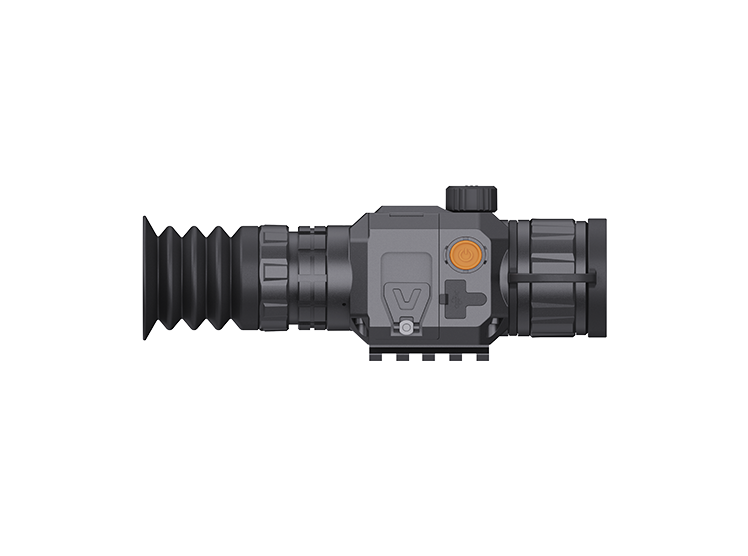
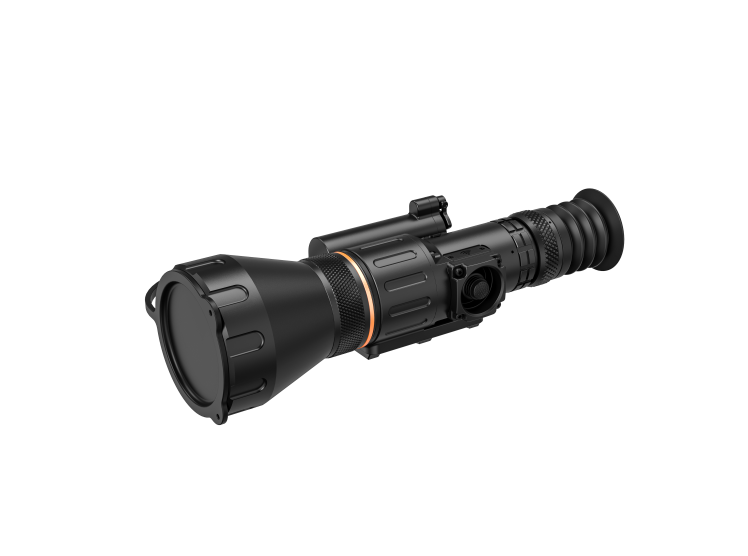
How Battery Life Shapes the Performance of Modern Night Vision Monocular Systems
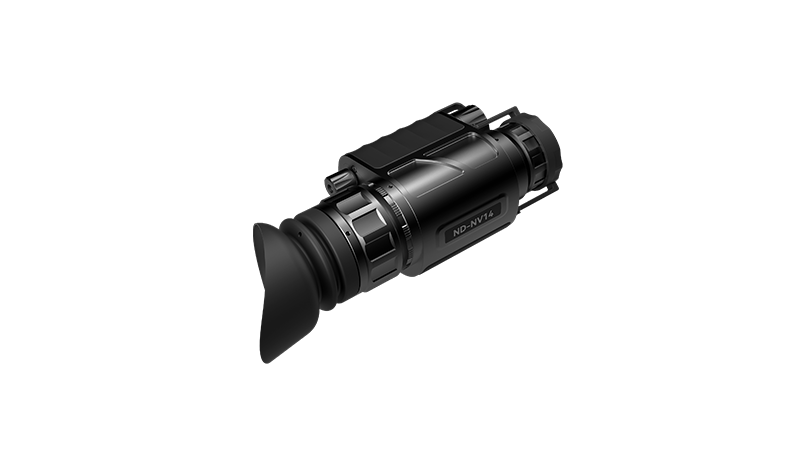
2026/01/28Battery reliability is one of the most important elements for users who depend on a night vision monocular during extended operations. In our work at IRVOTEX, we continually focus on delivering optical solutions that support long-term field performance, and battery life plays a central role in that commitment. The ND-NV14 is frequently used in mobile, dynamic environments, so we design it to maintain stable power output that aligns with real-world professional needs.
Key Factors That Influence Battery Life
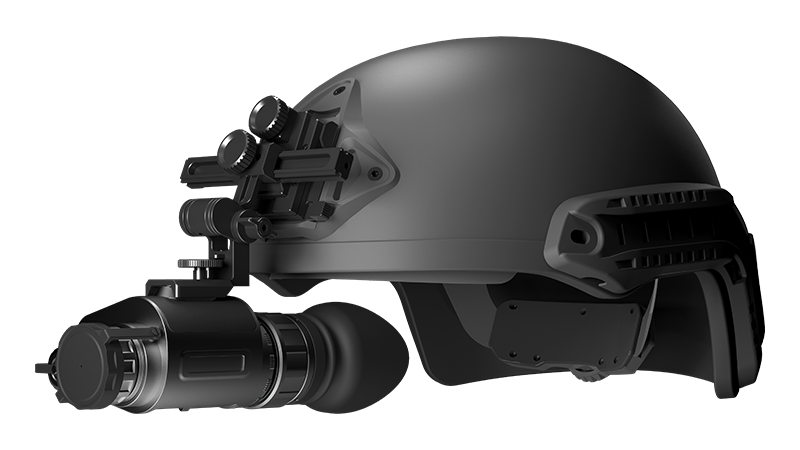
Battery performance in a night vision monocular helmet mount configuration is shaped by several technical factors, including sensor characteristics, processing demands, and fluctuating lighting conditions. Our ND-NV14 integrates an intelligent bright-light protection function that automatically powers down the device when exposed to sudden intense illumination. This action not only protects internal optics and electronics but also avoids unnecessary energy loss. By ensuring balanced consumption across handheld, helmet-mounted, and head-mounted modes, we create a system that maintains consistent performance regardless of field activity.
Battery Behavior in Practical Operations
Understanding how long a night vision monocular can operate continuously is essential for planning professional tasks. Actual duration varies with temperature, battery type, and the intensity of image processing. During operation with the ND-NV14 installed as a night vision monocular helmet mount, the system maintains steady energy usage even when the user shifts position, changes viewing angles, or moves through areas with uneven illumination. Internal circuitry is designed to regulate processing cycles efficiently, helping the device deliver clear imaging while keeping power consumption predictable for mission-oriented users.
Engineering Choices That Support Stable Battery Use
Long-term reliability guides the engineering behind the ND-NV14, and every component contributes to stable battery behavior. The protective electronics, durable optical assembly, and efficient amplification structure help the device operate comfortably within its intended power range. When used as a night vision monocular, the bright-light protection mechanism prevents high-load exposure that can reduce battery efficiency. When functioning as a night vision monocular helmet mount, the streamlined structure minimizes additional energy demands. These engineering decisions enable us to offer a solution that maintains visibility without requiring frequent battery replacement during extended activities.
Conclusion
Battery life remains a core consideration for professionals working with a night vision monocular, and our company IRVOTEX addresses this need through practical engineering rather than theoretical claims. By integrating power-efficient design, protective mechanisms, and stable operating behavior across handheld and night vision monocular helmet mount configurations, the ND-NV14 delivers dependable performance for users facing challenging low-light conditions. The result is a night-vision solution that supports continuous operation, enhances safety, and provides consistent reliability in real field environments.


