 +86 (028) 8535 5966
 +86 17323184180
 irvotex@votinfrared.com
 Links
Links

What Role Do Thermals Play in Tracking Wounded Game
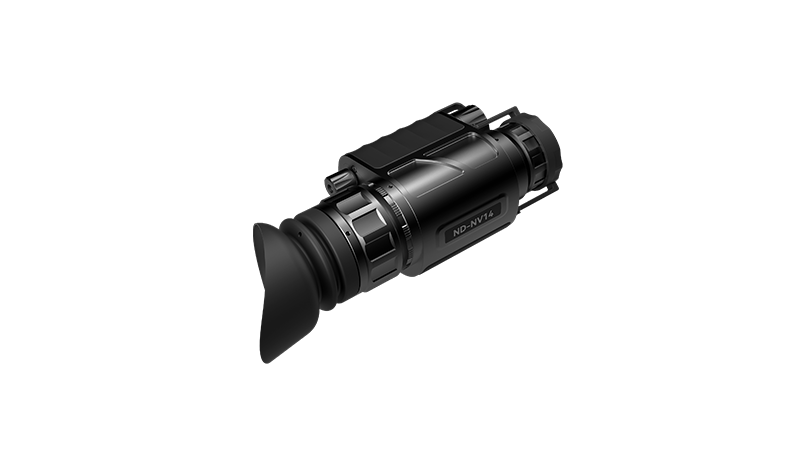
2026/01/27Thermal imaging has become increasingly valuable in wildlife recovery, especially when precision and responsibility matter. In our field experience at IRVOTEX, we rely on thermal monocular for hunting technologies to help identify subtle heat trails and pinpoint animals that may have moved beyond visible range. When visibility is limited due to dense vegetation or low light, thermal imaging allows us to interpret heat patterns more clearly and follow the path a wounded animal is likely to take. This approach supports more efficient tracking while maintaining ethical hunting practices.
Understanding Heat Signatures in Post-Impact Tracking
When an animal is wounded, the heat signature it leaves behind can be faint and inconsistent. However, the behavior of thermal radiation in natural settings is predictable enough for us to analyze. Using a hunting thermal monocular, we observe how warm traces fade against cooler surroundings, which helps us map out movement direction and possible resting points. Environmental factors such as wind, terrain, and foliage density also affect these signatures, and interpreting them requires experience combined with reliable equipment. Our team often works with thermal tools to understand these variables, making post-impact recovery more structured and informed.
How Thermals Improve Efficiency in Dense or Low-Light Environments
Tracking becomes more challenging when vegetation obscures view or when light is unavailable. Traditional visual cues like tracks or disturbed brush may not be immediately noticeable. In these conditions, a thermal monocular for hunting allows us to detect temperature differences through partial cover, helping us stay oriented during the search process. By identifying consistent warm zones left by the wounded animal, we can close the distance more effectively. For our company, such situational awareness is essential, as we aim to help users navigate recovery tasks with greater confidence and operational clarity. The use of a dependable hunting thermal monocular ensures tracking efforts remain steady even when natural obstacles interfere.
Applying Advanced Thermal Tools for Reliable Recovery
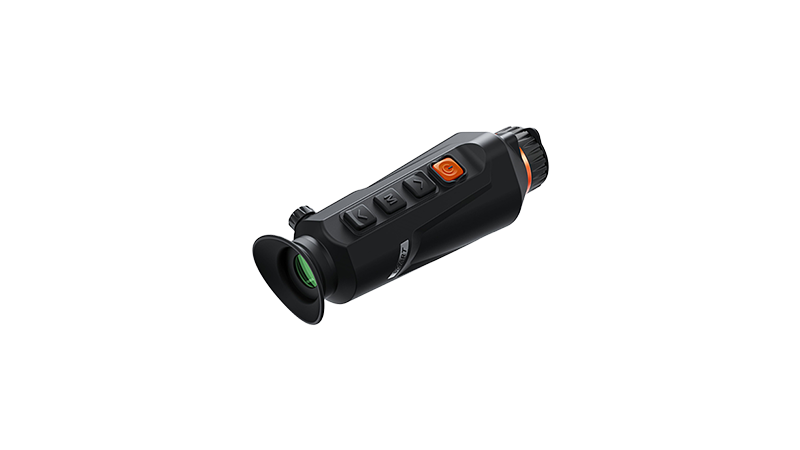
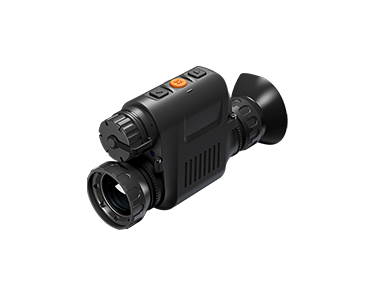
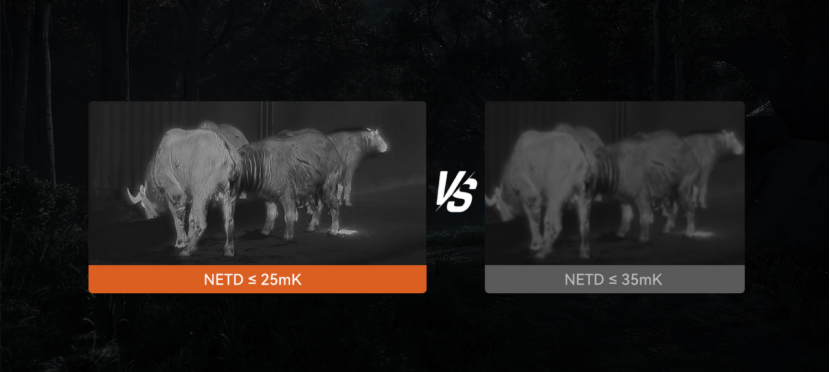
To support these tasks, we incorporate devices like the MK-IRS Series into our work. This series of handheld thermal monoculars includes a sensor with NETD ≤25mK, enabling sharp differentiation of small temperature variations. With this level of sensitivity, our system captures subtle heat patterns that might otherwise blend into the environment. While we use it for observing wildlife and reading movement signals, the clarity it provides also strengthens our ability to follow wounded game responsibly. By relying on high-precision detection rather than guesswork, our approach becomes more consistent throughout different conditions. For users seeking a responsive tool, the MK-IRS Series offers detailed visualization suited for the recovery tasks we often encounter.
Conclusion: The Practical Value of Thermals in Responsible Game Recovery
Thermal technology plays a meaningful role in identifying and following the heat signatures left behind by wounded game. Through our work at IRVOTEX, we have seen how tools such as the thermal monocular for hunting contribute to more informed decisions in the field. When combined with careful interpretation and ethical practice, a hunting thermal monocular helps ensure that recovery efforts are conducted thoroughly and responsibly. With advanced systems like the MK-IRS Series, thermals continue to support hunters and wildlife professionals in maintaining accuracy, awareness, and respect for our environment.


