+86 (028) 8535 5966
 +86 17323184180
 irvotex@votinfrared.com
 Links
Links

Does Digital Night Vision Pick Up Infrared?
2026/01/26As a company focused on advanced optical technology, IRVOTEX often receives questions about how digital night vision performs in challenging low-light environments. One of the most common inquiries is whether a digital night vision monocular can detect infrared light. From our technical experience and product development, we can confirm that modern digital systems are engineered to capture both visible and near-infrared wavelengths. By converting incoming light into electronic signals, these devices enhance clarity in conditions where the human eye struggles to perceive details. This capability is especially important for professionals and outdoor users who rely on consistent image performance regardless of ambient light levels.

Why Digital Systems Capture Infrared Illumination
A key feature of many optical devices today is the ability to work with infrared illuminators. When we design a night vision monocular, we ensure that the sensor architecture supports sensitivity to infrared light commonly emitted by IR flashlights or covert lighting systems. This allows our solutions to provide clear images even in complete darkness, where visible light is insufficient. The electronic processing used in digital night vision amplifies infrared wavelengths effectively, producing reliable results in tactical, security, or wildlife observation settings. For our customers working in demanding night-time scenarios, this means greater operational confidence and consistent visual output.
Application in Practical Field Use with ND-NV14
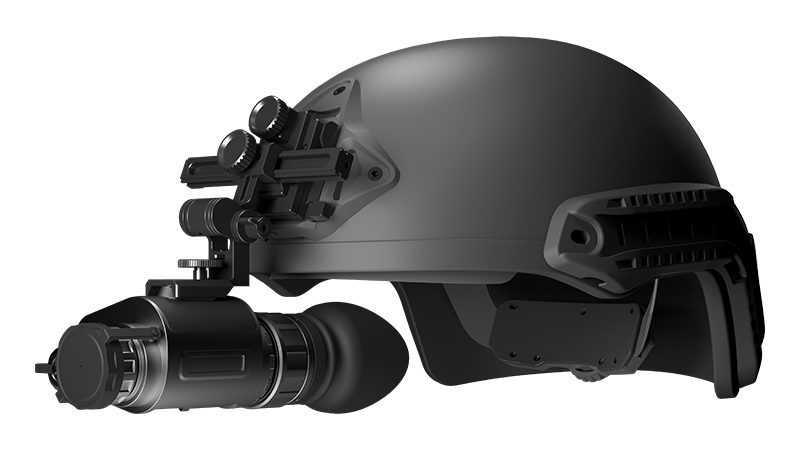
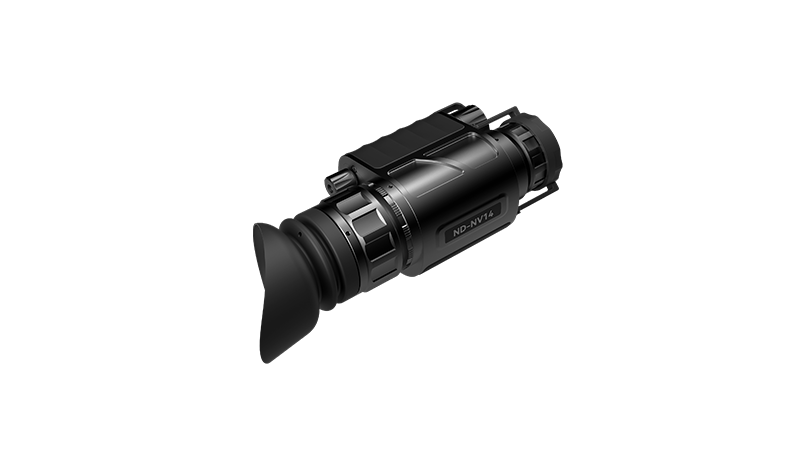
Our product lineup also demonstrates how these principles apply in real use cases. The digital night vision monocular ND-NV14 is designed with a compact and lightweight structure, allowing users to move naturally during outdoor activities, hunting, or specialized tasks. Its construction makes it suitable for both handheld operation and helmet-mounted configurations, offering flexibility for different working conditions. With its optical system and digital processing, the ND-NV14 can work effectively with infrared sources, supporting accurate observation and target recognition in low-light or no-light zones. Because users do not need additional bulky mounts or accessories, this model provides a smooth experience while maintaining operational efficiency.
Conclusion
To answer the core question—yes, digital night vision is capable of detecting infrared. Through sensor design and signal processing, devices like our ND-NV14 allow operational teams, outdoor enthusiasts, and professional users to maintain visibility even without natural light sources. As IRVOTEX, we continue to refine our optical designs so that our night vision monocular products deliver reliable infrared responsiveness while maintaining portability and ease of use. With the growing need for adaptable low-light solutions, we remain focused on providing systems that balance performance, mobility, and practical value for users who depend on clear night-time imagery. The capability to detect infrared remains a key component of our ongoing innovation in digital night vision monocular technology.