 +86 (028) 8535 5966
 +86 17323184180
 irvotex@votinfrared.com
 Links
Links

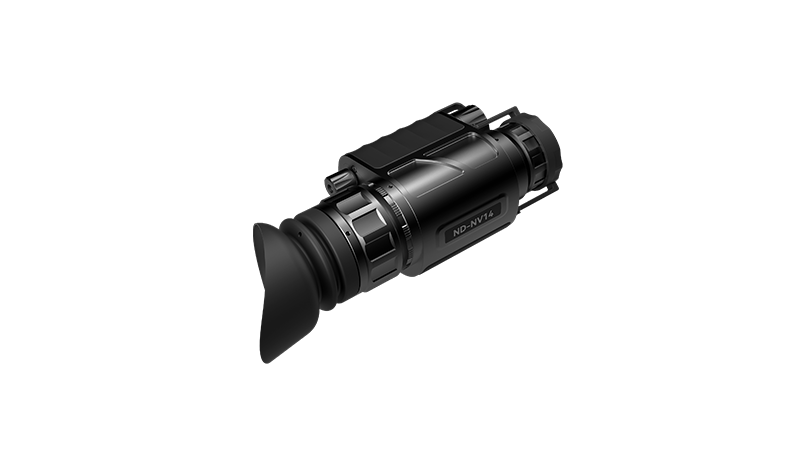
How IRVOTEX MK-IRS Maintains Clarity in Fast-Moving Scenes
2026/01/23When observing animals or environmental activity through a thermal device, motion often becomes the primary factor affecting image clarity. As we work with the IRVOTEX MK-IRS series, we constantly address how fast-moving scenes create rapid thermal shifts that can be difficult to interpret. Heat signatures change shape and intensity as targets move, and this places high demands on any thermal monocular for hunting. For handheld users, even small hand movements add additional motion effects. Our approach focuses on managing both scene motion and operator motion so that the core thermal information remains stable and recognizable. This foundation guides the technical design decisions we make across the MK-IRS series.
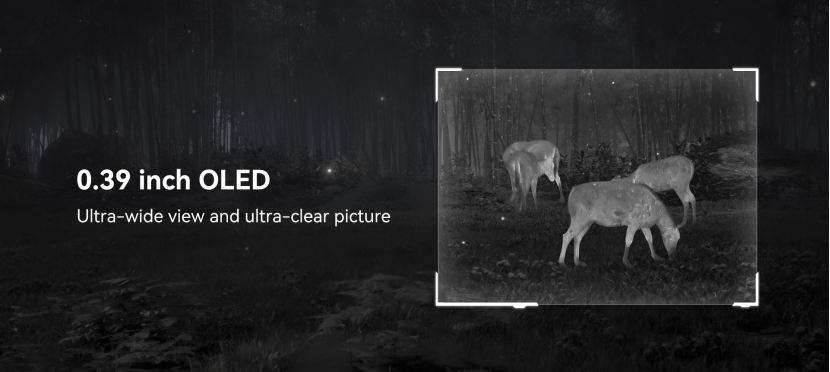
Display Technology That Preserves Detail
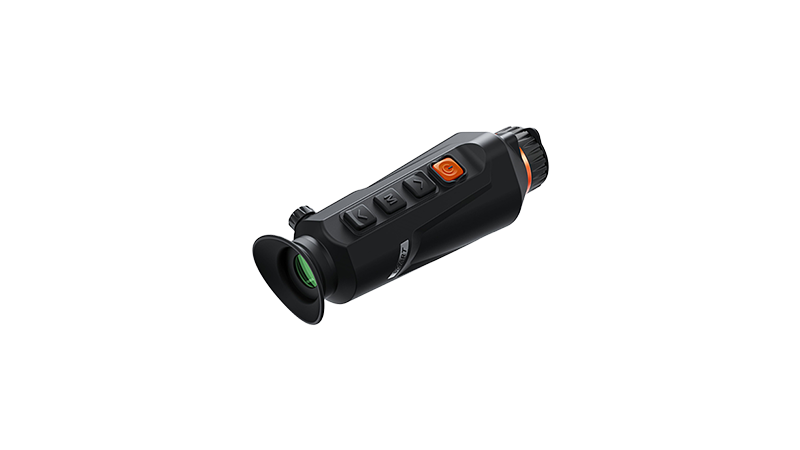
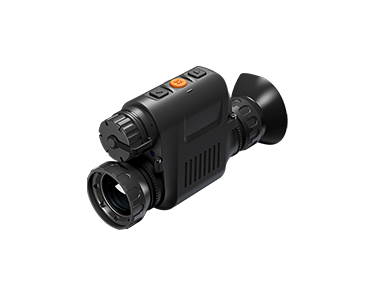
The MK-IRS handheld thermal monocular includes a 0.39-inch OLED display, offering vivid contrast and stable brightness. This display is central to how we maintain clarity when scenes shift quickly. OLED responds with high refresh efficiency, allowing thermal gradients to update smoothly without trailing artifacts. During field evaluations, we found that a reliable hand held thermal monocular must not simply generate thermal data—it must also present that data in a visually coherent way. The OLED system allows us to render subtle thermal boundaries even when animals move through cluttered terrain or when environmental temperatures fluctuate. Whether the device is used for tracking, general observation, or as a thermal monocular for hunting, this display supports consistent interpretation when conditions change rapidly.
Stability Features That Support Rapid Scene Updates
Beyond the display, the internal processing pipeline of the MK-IRS is designed to manage real-time thermal transitions. We integrate noise-control algorithms and temperature compensation structures that help steady the image during continuous motion. As we refine our solution, we pay attention to how a hand held thermal monocular is used outdoors—often in situations where movement cannot be avoided. The MK-IRS system balances frame processing with detail retention, helping the user keep track of key heat signatures even when targets accelerate or shift directions. This balance minimizes unnecessary smoothing, which is important for applications such as detection, identification, and decision-making in dynamic environments.
Conclusion: Consistent Clarity Through Coordinated Design
Through our work on the MK-IRS series, we have seen that maintaining clarity in fast-moving scenes requires coordination between display performance, processing speed, and environmental adaptation. By combining an efficient OLED display with real-time stability features, IRVOTEX provides a practical and reliable option for users who depend on a thermal monocular for hunting or for broader field tasks. A hand held thermal monocular must perform consistently across various conditions, and our MK-IRS solution is built to support that requirement.


