 +86 (028) 8535 5966
 +86 17323184180
 irvotex@votinfrared.com
 Links
Links

What Makes Handheld Thermals Reliable in Extreme Weather
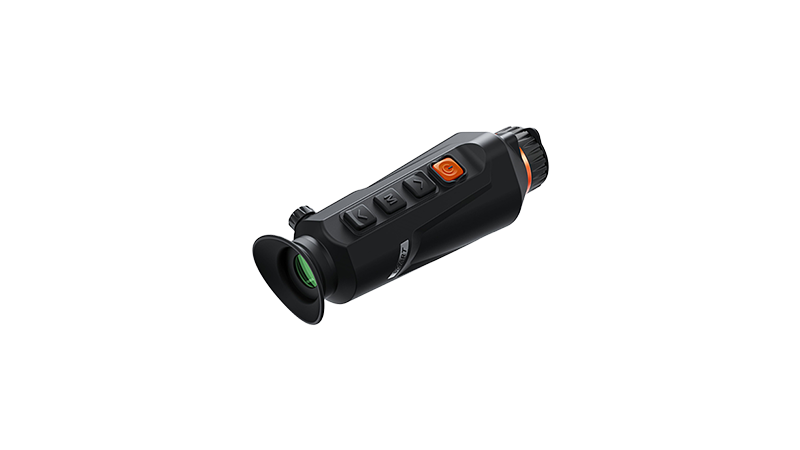
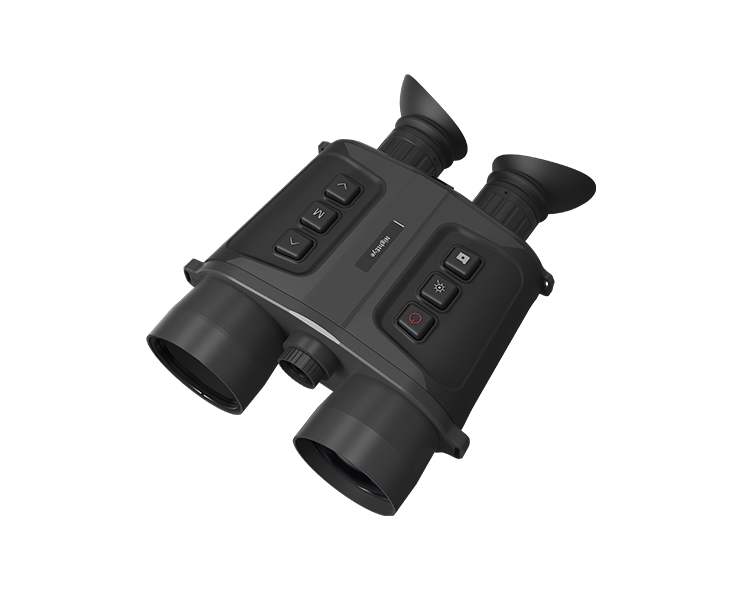
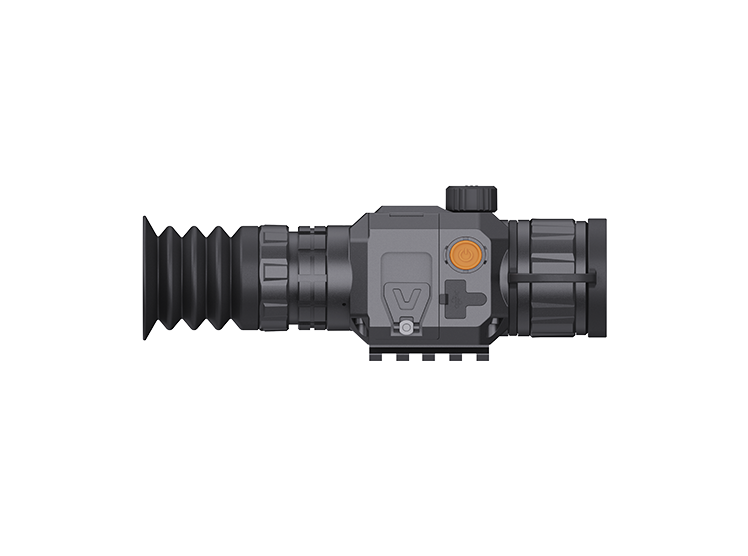
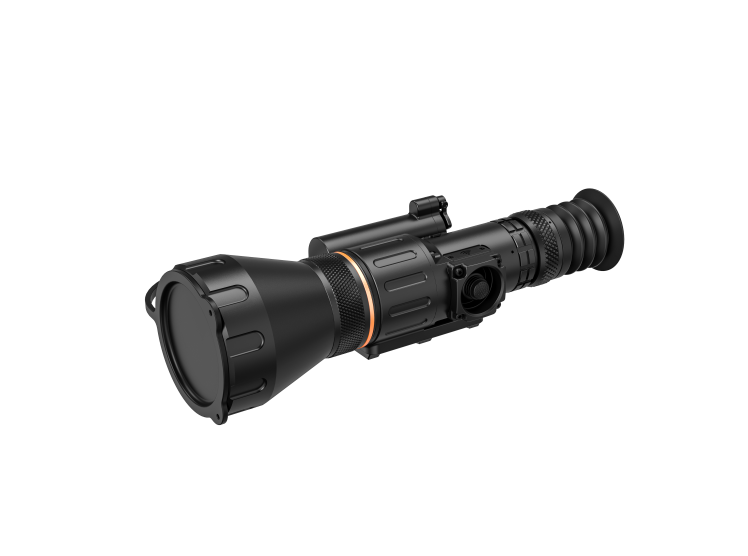
2026/01/21Working in outdoor observation and technical integration has shown us that reliability in extreme weather is never accidental. At IRVOTEX, we often evaluate how a handheld thermal monocular maintains performance when temperatures fluctuate or visibility changes rapidly. For professionals who depend on a thermal monocular for hunting, understanding the design factors behind this reliability helps ensure consistent results during long field operations. By focusing on structural stability, imaging balance, and environmental adaptation, we work to ensure that our tools deliver steady performance where conditions are unpredictable.
Structural Endurance and Temperature Response
Harsh weather places stress on both the exterior housing and the internal components of thermal systems. When we develop a new handheld thermal monocular, we pay attention to how the device manages thermal expansion, insulation, and shock resistance. These considerations prevent performance drops when users move through hot days, cold nights, or shifting humidity. Many of our clients rely on a thermal monocular for hunting, where rapid temperature swings between forest edges, open terrain, and shaded areas can occur within minutes. Our focus is to reduce sensor drift and mechanical strain so the device remains stable without constant user adjustment. This foundation supports long-term accuracy and helps users stay attentive to their surroundings rather than equipment limitations.
Imaging Balance in Low-Visibility Conditions
Maintaining a clear thermal image becomes especially important when fog, wind, or precipitation reduces visual contrast. Our imaging approach prioritizes consistent interpretation of heat signatures while avoiding overcorrection. This balance helps a handheld thermal monocular provide usable detail even when environmental heat patterns shift quickly. In hunting or long-distance observation scenarios, a thermal monocular for hunting needs to distinguish subtle heat traces without overwhelming the sensor. By refining contrast management and environmental compensation, we support readability in conditions that normally obscure fine details and reduce detection confidence.
Field-Oriented Features in the MK-IRS Series
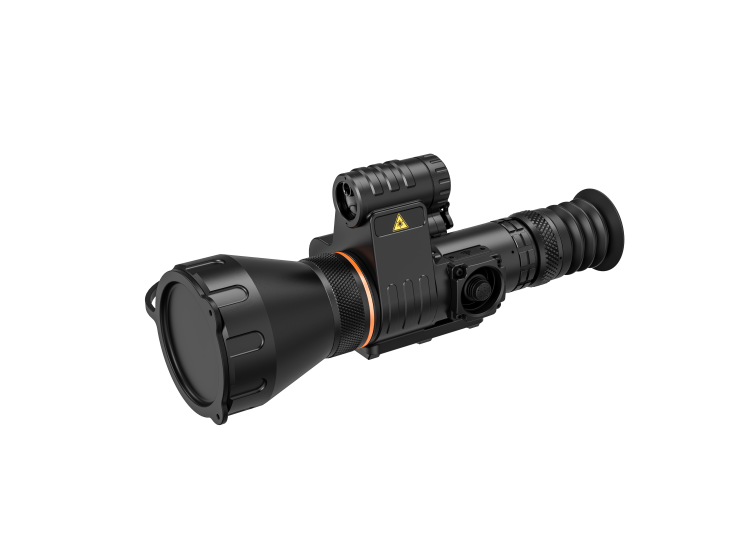
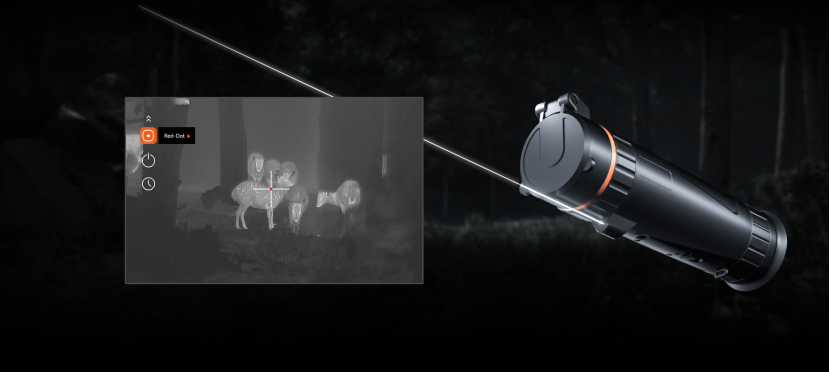
The MK-IRS Series combines durable construction with practical functions designed for demanding environments. One feature our clients often highlight is the built-in laser indicator, which supports quick directional alignment. For anyone using the device as a thermal monocular for hunting, clear orientation during nighttime or foggy conditions contributes directly to operational efficiency. As a handheld thermal monocular, the MK-IRS Series maintains component protection while ensuring that the laser indicator remains safe, stable, and reliable in field use. Our goal is to support clear decision-making by offering tools that stay functional without complicated adjustments.
Conclusion: Reliability Built Through Consistent Design Choices
When extreme weather challenges visibility and stability, dependable performance comes from coordinated design decisions rather than a single feature. At IRVOTEX, we bring together structural strength, controlled thermal behavior, and adaptive imaging to ensure that each handheld thermal monocular continues to support users through shifting climates. Whether applied to long-range observation or used as a thermal monocular for hunting, our approach focuses on clarity, stability, and practicality across changing environmental conditions.


