 +86 (028) 8535 5966
 +86 17323184180
 irvotex@votinfrared.com
 Links
Links

Why IRVOTEX Monoculars Excel in Dense Forest Hunts
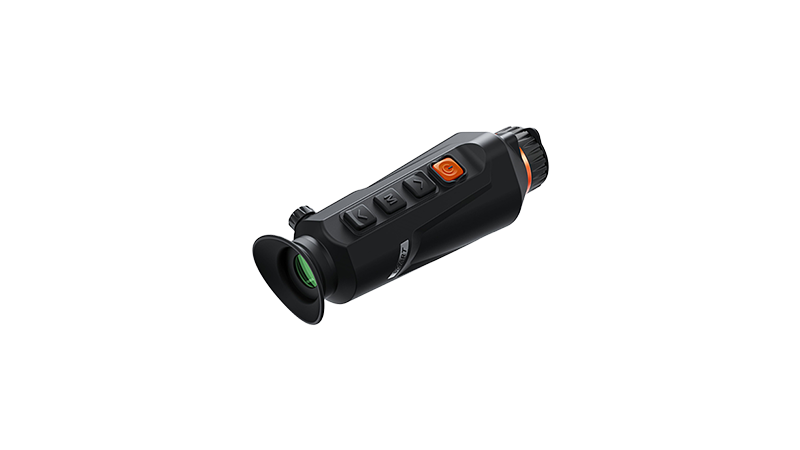
2025/12/29Dense forests create a unique visual environment where shadows, overlapping branches, and shifting temperature layers can obscure important details. When we design our devices at IRVOTEX, we consider how users work through vegetation that absorbs light and hides motion. In these conditions, a thermal imaging monocular becomes essential because it reads heat signatures rather than relying on visible light. As we refine our approach, we focus on how temperature contrast behaves beneath a closed canopy, where dispersed heat sources can appear faint or irregular. For hunters and field professionals, understanding this behavior is crucial, and it guides how we optimize detection stability, sensor consistency, and image clarity. Our responsibility is to deliver equipment that supports reliable observation, especially when the terrain generates visual noise that might cause conventional tools to miss key targets.
How Thermal Design Supports Performance in Heavy Vegetation
When we build a hunting thermal monocular, we evaluate how thermal sensors interact with humid environments and mixed backgrounds. Leaves, tree bark, and underbrush all reflect heat differently, and this creates patterns that can interfere with target recognition. To respond to this, we continually adjust our image-processing methods to preserve meaningful contrast while reducing false signals. This balance helps users identify animals through partial obstructions and subtle movement trails. By studying how thermal energy disperses through branches and uneven terrain, we shape our devices to provide results that remain consistent across varying depths of foliage. Our aim is to enable users to understand the forest environment rather than simply view it, and this approach allows a thermal imaging monocular to function as a dependable reference tool during long tracking sessions.
Practical Advantages of the SMART Series in Forest Hunts
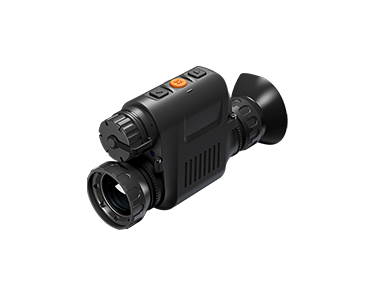
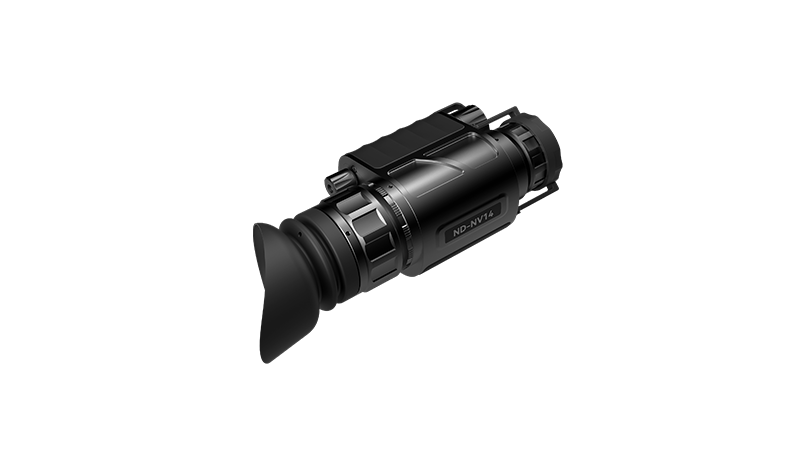
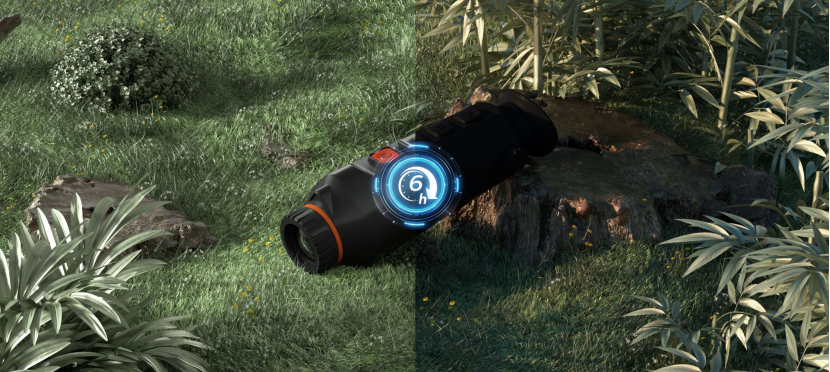
In our SMART Series, we apply these principles in a way that supports extended field use. This series includes a thermal imaging monocular designed for situations where users must move quietly and observe from multiple angles. The long battery life—up to six hours of continuous operation—allows us to work through evening transitions and early-morning observation without interruption. For those conducting multi-hour tracking or wildlife documentation, this stability matters more than high-intensity output alone. When we carry a hunting thermal monocular through dense vegetation, weight, thermal calibration, and endurance must align, and our SMART Series structure reflects these needs. It gives us the ability to monitor heat trails as they shift across branches, ground cover, and open pockets within the forest.
Conclusion: Why Our Monoculars Perform Reliably in Dense Forests
Our focus at IRVOTEX is to build tools that match real environmental demands rather than ideal conditions. Dense forests challenge perception, and this is why we treat each hunting thermal monocular as part of a broader observation method grounded in environmental science. By studying heat behavior, refining image processing, and supporting field endurance, we ensure that our equipment remains functional and informative throughout an entire outing. With these principles guiding our work, we continue to advance the practical value of every thermal imaging monocular we produce.


